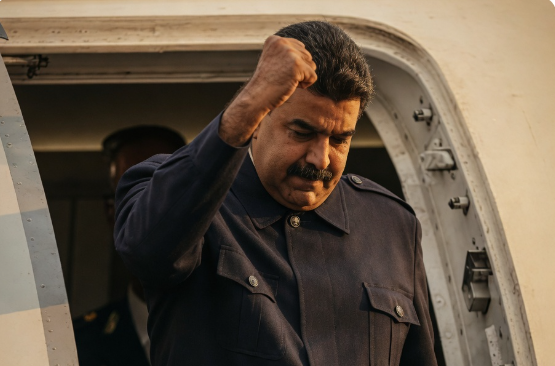
In recent weeks, digital platforms have been flooded with viral headlines suggesting that Nicolás Maduro is preparing for a triumphant return to his native Venezuela. These reports, often presented as urgent “breaking news,” have sparked significant confusion and intense emotional reactions among global observers. However, a meticulous examination of verified facts reveals that these claims are entirely unfounded. As it stands, Maduro is neither returning to power nor to his home country; he remains in the secure custody of the United States government following a historic military intervention earlier this year. His current status is directly tied to a high-stakes military operation that took place on January 3, 2026. During this mission, U.S. forces entered Venezuela, successfully apprehended Maduro, and extracted him to New York, where he faces a litany of serious legal challenges.
Currently, Maduro is held in federal detention while facing charges that include drug trafficking conspiracy and narco-terrorism. Despite his plea of not guilty, he remains under rigorous legal supervision, and there is no credible evidence or official agreement that would facilitate his release or repatriation. In his absence, the executive leadership of Venezuela has transitioned to Delcy Rodríguez, who serves as the acting president. Her administration is currently tasked with the stabilization of the nation’s economic policy and managing the complex intricacies of international relations. Notably, there have been renewed efforts to engage with the United States to rebuild diplomatic ties that were severed under the previous regime, marking a pivotal moment for the country’s political reform. The rapid spread of misinformation regarding Maduro’s return can be attributed to various psychological and digital factors. Because Venezuela’s political landscape is highly sensitive, any news regarding its leadership attracts massive attention. Many of these rumors are fueled by click-driven headlines designed to exploit public sentiment rather than provide factual context. Social media algorithms often prioritize this sensationalist content, making it difficult for audiences to distinguish between verified journalism and speculative fiction. This situation serves as a stark reminder of the importance of information literacy in the digital age, where official statements from government agencies remain the only reliable source of truth. International reaction to the detention of Maduro remains deeply divided, reflecting the nuances of Latin American geopolitics. While some nations have raised concerns regarding national sovereignty and the adherence to international law, others have openly supported the intervention as a necessary step toward democratic change. Within Venezuela, public sentiment is equally fractured; while many engage in discussions about the future of democratic processes, certain factions maintain their support for the former leader. Ultimately, as the legal proceedings in the United States continue and Venezuela navigates its current transition, any major change in Maduro’s status would require significant diplomatic shifts that have not yet occurred. For now, the narrative of his return remains a product of digital fiction rather than geopolitical reality.