Fact-Checking Viral Falsehoods: The Reality Behind Donald Trump Security Rumors
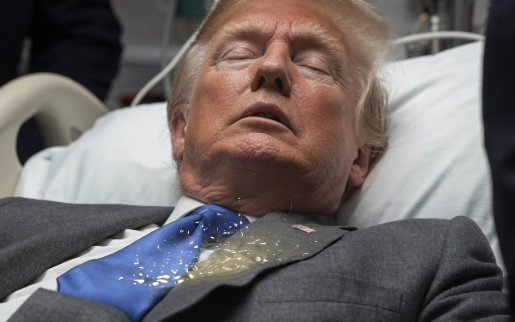
In the rapid-fire landscape of modern digital communication, misinformation has surfaced as a formidable challenge for both the public and professional journalists. Recently, a wave of viral social media posts and YouTube clips has circulated a false narrative claiming that Donald Trump was involved in a second shooting in Washington, D.C. Using sensationalized headlines such as “Shock in D.C.,” these rumors have been thoroughly debunked. Major journalistic institutions, including the Associated Press (AP), Reuters, BBC, and The New York Times, have issued no such reports, confirming that these claims are meritless examples of clickbait designed to exploit the digital “economy of attention.”To differentiate fact from fiction, it is essential to revisit the only verified assassination attempt against the former president, which took place on July 13, 2024. During a campaign rally in Butler, Pennsylvania, a gunman positioned on a nearby rooftop used an AR-style rifle to fire at the stage, resulting in a graze wound to Donald Trump’s right ear. This tragic event, which was extensively investigated by the United States Secret Service and the Federal Bureau of Investigation (FBI), remains the sole confirmed shooting of its kind. Misinformation often gains traction by taking the visceral memory of this real event and applying it to fabricated scenarios in different locations.Public confusion is frequently fueled by the misrepresentation of secondary security scares that are unrelated to the former president. For instance, a September 2024 incident at a Florida golf club involved nearby gunfire that triggered a Secret Service response, yet Donald Trump was never directly targeted or harmed. Similarly, a 2025 shooting involving National Guard members near the White House was an unrelated tragedy that misinformation peddlers conflated into a personal attack on the former president. These distinct occurrences are often woven into a single, false narrative of recurring violence by actors seeking high digital engagement.The mechanics of this “viral deception” are supported by the algorithms of platforms like TikTok, Facebook, and X (formerly Twitter). These systems prioritize high-arousal content—such as fear or outrage—allowing unverified claims to reach millions before fact-checkers can intervene. The absence of reporting from outlets like The Washington Post, CBS, or PBS is a definitive indicator of a story’s lack of credibility. In reality, recent verified news has focused on Donald Trump’s involvement in international diplomacy, such as ceasefire negotiations between Thailand and Cambodia, rather than any domestic violence incidents.Ultimately, the burden of truth in a digital age falls on both media producers and consumers. Professional journalistic standards demand rigorous verification and multiple sources before publishing high-stakes news. For the general public, the most effective defense against manipulation is a critical mindset and a reliance on established, legacy media organizations for corroboration. In a world where sensationalism is often used to mask the truth, verifying “breaking news” through official government statements and trusted newsrooms is vital for maintaining an informed society.