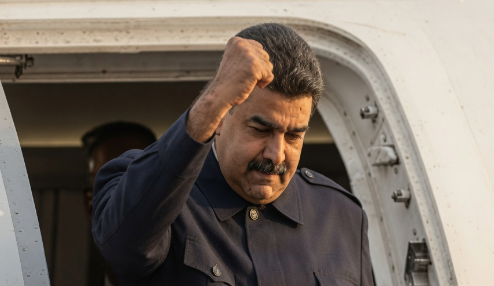
In recent weeks, digital platforms have been flooded with viral misinformation claiming that Nicolás Maduro is preparing a return to Venezuela to reclaim power. However, verified journalistic investigations confirm these assertions are entirely false. Far from a homecoming, the former leader has been in United States custody since a high-profile military operation in early January 2026. He is currently situated in New York, where he is facing a complex legal battle against federal charges, including drug trafficking conspiracy and narco-terrorism. Despite rumors, there is no evidence of an impending release.
The dramatic shift in Venezuela’s political landscape was initiated on January 3, 2026, through a sophisticated maneuver involving coordinated air and ground forces. This operation, supported by multiple intelligence agencies, resulted in the rapid extraction of Maduro and several close associates. This event stands as a pivotal moment in Latin American geopolitics, effectively ending a long tenure and triggering a massive international response. Since his transfer to U.S. soil, Maduro has pleaded not guilty and remains detained as the judicial process moves forward.
Following his removal, Delcy Rodríguez has assumed the role of acting president, tasked with the monumental challenge of stabilizing economic policy and mending international relations. There are emerging signs of renewed diplomatic engagement with the United States as the interim government seeks to rebuild the nation’s standing. Despite this transition, the vacuum left by the former leader has fueled a divided public discourse regarding democratic processes. The rapid spread of rumors is attributed to political sensitivity and the mechanics of social media, where click-driven headlines often prioritize sensationalism over factual accuracy.
Internationally, the capture has sparked debates over sovereignty and international law. While some view the intervention as a catalyst for stability, others remain skeptical. As the legal case proceeds in New York, the future of the nation remains under intense scrutiny. Journalists emphasize the importance of media literacy and reliance on official statements to navigate this transition. Ultimately, the narrative of a return remains a digital fiction, highlighting the reality that in the modern age, not every headline reflects factual global events.