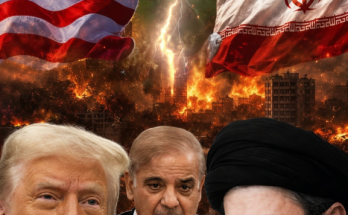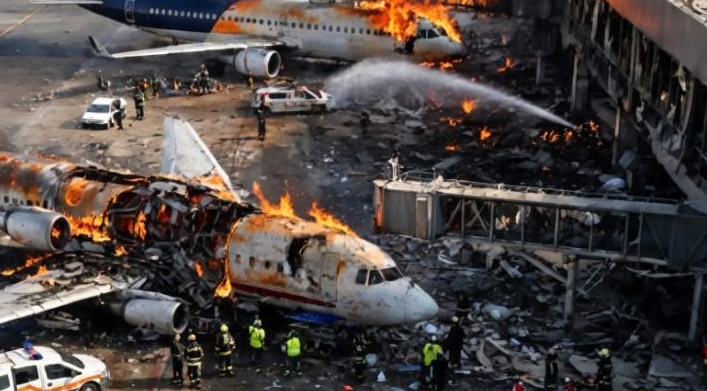
In a significant escalation of the Middle East conflict, Iran has launched a series of ballistic missiles equipped with cluster warheads at Tel Aviv. Tehran described the assault as direct retaliation for the assassination of a high-ranking Iranian security official by Israeli forces. The strikes resulted in the deaths of at least two civilians and caused notable damage to infrastructure. The use of cluster munitions has drawn international concern due to their tendency to leave unexploded submunitions, posing long-term humanitarian threats.
This attack is part of a broader cycle of violence that has intensified since early 2026. Iran has targeted U.S. bases and allied facilities across Kuwait, Bahrain, the UAE, and Saudi Arabia. In response, Israel and the United States have conducted airstrikes against Iranian military and nuclear infrastructure. While Israel’s advanced defense systems, such as Iron Dome and Arrow-3, have intercepted numerous threats, the volume of incoming fire and advanced cluster technology continue to challenge regional defenses. The geopolitical impact of these hostilities is substantial, with global energy markets surging in response to the instability. Despite mounting international pressure, diplomatic efforts have yet to achieve a ceasefire. As both Iran and Israel signal a commitment to continued military operations, the region remains locked in a state of heightened tension and uncertainty.