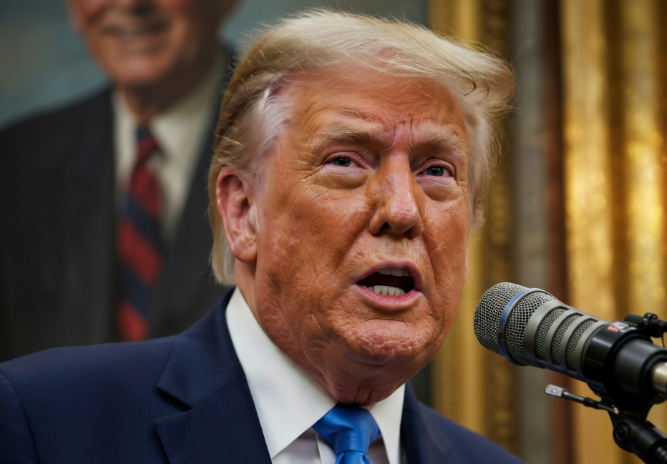
In a move that has sent shockwaves through the international community, President Donald Trump recently proposed the possibility of a “friendly takeover” of Cuba during a news conference in Doral, Florida. Speaking on March 9, 2026, the president indicated that the island nation is currently running on “fumes,” citing a total lack of energy and financial resources as the primary catalysts for U.S. intervention. The administration has tasked Secretary of State Marco Rubio with managing the situation, which the president suggested could proceed through either cooperative or non-cooperative means. This rhetoric reflects a significant escalation in the United States‘ long-standing effort to challenge the communist administration in Havana.
The backdrop to these comments is a deepening humanitarian and economic catastrophe within Cuba. The second Trump administration has intensified pressure on the island through a combination of tightened sanctions and a strategic oil blockade. These measures are part of a broader regional strategy that previously targeted the regime of Nicolás Maduro in Venezuela. Consequently, the Cuban population is facing unprecedented power failures, chronic food shortages, and systemic economic collapse. While the United Nations has raised alarms regarding the risks to millions of civilians, the White House maintains that this “maximum pressure” campaign is the only viable path to ensuring regime change and securing Western Hemisphere interests. Public and political reactions to the president’s unfiltered remarks have been starkly divided. Supporters, particularly within the Cuban-American community and the president’s core base, have lauded the comments as a display of decisive leadership. They view the potential “takeover” as a necessary step to eliminate a security threat just miles from the coast of Florida. On digital platforms, followers have celebrated the departure from traditional diplomatic language, viewing the president’s bluntness as a refreshing and honest assessment of U.S. foreign policy goals. Conversely, critics and geopolitical analysts have condemned the rhetoric as imperialist and potentially reckless. Concerns have been raised that such provocative language could alienate international allies and incite a regional backlash or even a military conflict. While Cuban officials have acknowledged that some level of communication exists between the two nations, they have firmly rejected any notion of a foreign takeover. This divide underscores the deep political polarization currently defining the American landscape, as the world watches whether this strategy will mirror the swift intervention in Grenada or lead to a prolonged crisis similar to the Iraq War. Ultimately, the “friendly or not” framing utilized by the Trump administration leaves significant strategic ambiguity. By utilizing economic leverage as a primary tool, the administration appears to be fishing for a total surrender or a major negotiation breakthrough. Whether these unscripted moments lead to a historic reshaping of Latin American dynamics or a deepening humanitarian tragedy remains the central question of 2026. As the situation evolves, the president’s direct style continues to dominate the global news cycle, forcing both allies and adversaries to reconsider the future of U.S.-Cuba relations.