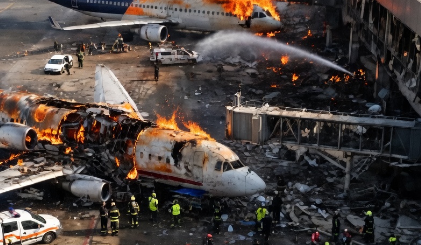
The conflict in the Middle East has reached a critical turning point as Iran launched ballistic missiles equipped with cluster warheads directly at Tel Aviv. This strike, described by Tehran as retaliation for the assassination of a high-ranking security official, resulted in infrastructure damage and the tragic deaths of at least two civilians.
The use of cluster munitions has raised immediate humanitarian alarms, as these weapons disperse submunitions that pose long-term risks to civilian populations through unexploded fragments. This engagement is a significant component of a broader regional escalation that has intensified since early 2026. Iran has expanded its offensive reach, targeting U.S. bases and allied facilities across Kuwait, Bahrain, the UAE, and Saudi Arabia. In a decisive counter-response, Israel and the United States have conducted precision airstrikes against Iranian military and nuclear infrastructure. While sophisticated defense systems like the Iron Dome and Arrow-3 have intercepted numerous threats, the sheer volume and technical complexity of the incoming cluster warheads have placed unprecedented pressure on Israel’s defensive shield. The consequences of this military friction are reverberating globally. Energy markets have experienced a sharp surge following attacks on critical Gulf infrastructure, heightening fears of a worldwide economic shock. Despite international diplomatic pressure, both nations remain committed to their military objectives, leaving the region in a precarious state of uncertainty. As casualties mount and the risk of total war looms, the international community watches with growing concern over the potential for an uncontrollable regional conflagration.