Washington’s Public Safety Debate Intensifies Following Federal Crime Crackdown
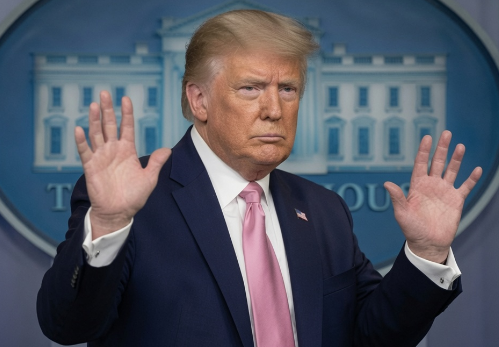
Washington, D.C., has become the center of a growing national debate after President Donald Trump ordered an expanded federal law enforcement presence in the nation’s capital. The move, intended to address rising concerns over public safety, has produced noticeable changes while also prompting broader discussions about security, civil liberties, and the role of the federal government.
Supporters of the initiative point to early indications that crime has declined in some areas since the increased deployment of federal personnel. They argue that a stronger law enforcement presence has helped restore order, with some residents reporting they feel safer walking through neighborhoods that had experienced persistent criminal activity. Community discussions that once focused heavily on crime alerts have, according to some residents, become less frequent.
At the same time, others describe a more complicated reality. Civil rights advocates and some community members have expressed concerns that the heightened federal presence has created uncertainty, particularly among immigrant communities worried about potential immigration enforcement. Some families say they have become more cautious in their daily routines and interactions with authorities.
The expanded operation has also introduced practical challenges for law enforcement. With multiple federal agencies working alongside local police, questions have emerged regarding coordination, responsibilities, and the division of authority during ongoing operations.
The differing reactions have fueled a broader conversation about how governments should balance public safety with the protection of individual rights. While many agree that reducing crime is an important objective, opinions remain divided over the methods used to achieve that goal and their long-term impact on public trust.
As Washington continues adapting to the expanded federal presence, policymakers, residents, and community leaders are likely to continue debating how best to ensure both public safety and accountability. The developments in the nation’s capital have become part of a wider national discussion about effective law enforcement, constitutional principles, and the balance between security and civil liberties.