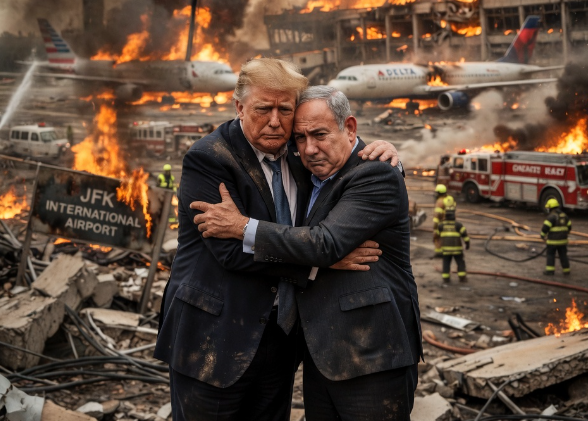
Recent unverified reports suggest a significant escalation in Middle Eastern tensions, alleging that Iran has launched ballistic missile strikes against Tel Aviv. These accounts claim the use of cluster munitions as retaliation for the assassination of a high-ranking security official. While reports indicate damage to infrastructure and potential casualties, independent verification remains elusive, highlighting the volatile nature of the current information environment where misinformation can rapidly amplify regional instability.
The conflict has reportedly widened beyond initial borders, with claims of missile activity targeting United States and allied military installations across Kuwait, Bahrain, the United Arab Emirates, and Saudi Arabia. In a swift response, the scenario describes Israel and the United States conducting counter-strikes on Iranian military and nuclear-related facilities. Although advanced defense systems like Iron Dome and Arrow 3 have intercepted numerous projectiles, evolving tactical maneuvers are reportedly placing an unprecedented strain on regional defensive capabilities. The potential for a broader regional war has sent shockwaves through global energy markets, leading to sharp increases in oil price volatility. With diplomatic channels currently stalled, international observers fear a major shift in geopolitical security dynamics. Analysts warn that these developments could draw in additional international actors, further destabilizing shipping routes and production hubs in the Middle East. Experts emphasize that without official verification, these reports must be treated with extreme caution to prevent further escalation and ensure an accurate public understanding of the ground reality.