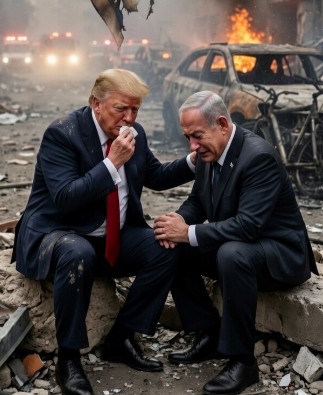
In a significant escalation of the regional conflict, Iran launched ballistic missiles equipped with cluster warheads at Tel Aviv, citing retaliation for the assassination of a senior Iranian security official by Israeli forces. This strike caused widespread infrastructure damage and resulted in the deaths of at least two civilians. The deployment of cluster munitions—which scatter multiple explosive submunitions over broad areas—presents a severe humanitarian crisis, as unexploded fragments can remain hazardous long after the initial impact, endangering the local population for years to come.
This latest offensive is part of a broader cycle of violence that has intensified since early 2026. Tehran has extended its reach by targeting Israeli cities and U.S. bases, as well as allied facilities in Kuwait, Bahrain, the UAE, and Saudi Arabia. In response, Israel and the United States have launched strategic airstrikes within Iran, aiming to disable military and nuclear infrastructure. Although Israel utilizes advanced defense systems like the Iron Dome and Arrow-3, the sheer volume and the advanced nature of cluster warhead technology have made achieving a total interception increasingly difficult, leaving civilians in a state of constant peril. The global consequences of this friction are becoming increasingly stark. Energy markets have surged significantly due to the persistent threats against Gulf oil and gas infrastructure, while international observers express growing alarm over the potential for a full-scale regional war. Diplomatic efforts have so far reached a stalemate, as both Iran and Israel maintain their resolve for continued military action. This persistent hostility leaves the Middle East in a state of unprecedented uncertainty, with far-reaching implications for international security and economic stability.