Tehran’s Ominous Warning: A New Era of Military Might and Psychological Warfare
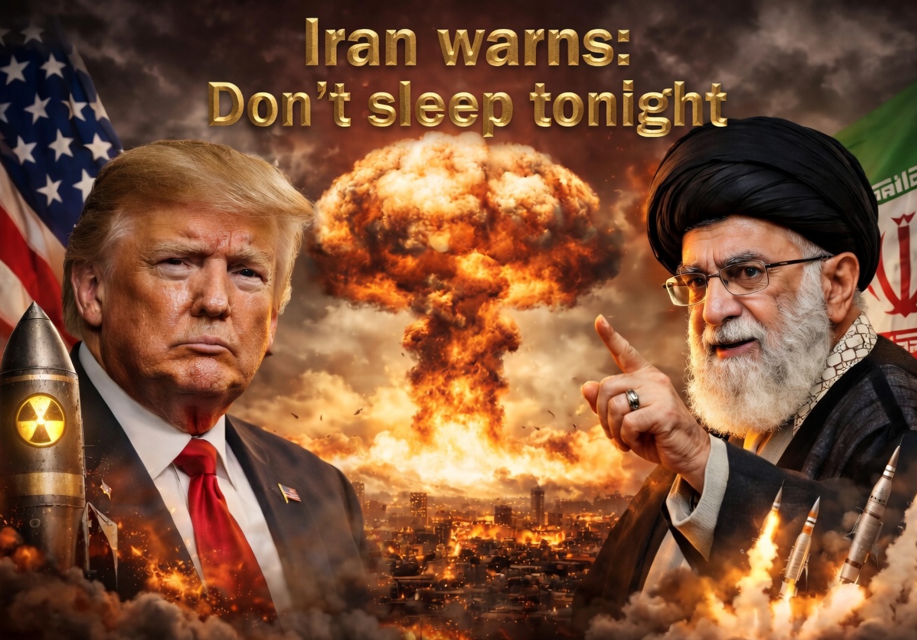
Iranian authorities have issued a stark and ominous warning to regional and international rivals, declaring that “this is not a night to sleep.” This high-stakes message, broadcast through state-controlled media, signals the imminent unveiling of the nation’s latest military arsenal, marking what Tehran describes as a significant evolution in its combat power. The rhetoric is particularly aggressive, with officials explicitly stating that even underground shelters and heavily fortified facilities will no longer offer safety against these new technologies. This direct threat appears designed to reset the strategic calculus for any state or entity opposing Iran’s regional objectives. Security experts and regional analysts interpret this move as a calculated exercise in psychological warfare. By projecting strength and technological superiority, Iran aims to intimidate its adversaries and expand its strategic influence during a period of heightened friction in the Middle East. Although official confirmation is pending, insiders suggest the warning likely pertains to sophisticated missile systems or combat drones, areas where Tehran has made substantial investments. The lack of specific technical details serves to heighten the sense of unpredictability, keeping rivals on high alert for a potential shift in the regional military balance. The international reaction has been characterized by alarm and a demand for de-escalation. Western diplomats have labeled the announcement as a destabilizing provocation, urging Iranian leaders to avoid actions that could trigger an open conflict. As the world watches, the atmosphere across the region remains incredibly tense. On social media, discussions are dominated by fear and speculation regarding the nature of the “new phase” of warfare. With the security situation in the Middle East already at a breaking point, this latest escalation highlights the fragile nature of regional stability and the increasing risks of a miscalculation that could lead to broader hostilities.