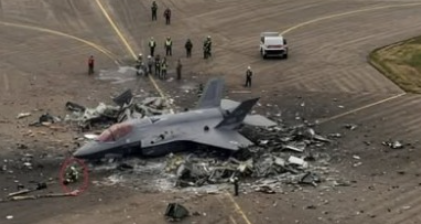
The military community is grappling with a profound loss following the fatal crash of a Navy EA-18G Growler in the rugged wilderness of Washington State. During what was intended to be a routine training exercise, the aircraft went down in a heavily forested area east of Mount Rainier. Federal investigators and Navy officials are now working tirelessly to determine the sequence of events that led to the destruction of the sophisticated jet, which is a cornerstone of the Navy’s electronic warfare capabilities. The wreckage, located at an elevation of roughly 6,000 feet in steep, heavily wooded terrain, presents significant logistical challenges for the recovery teams tasked with securing the site and salvaging flight data. Initial reports indicate the aircraft was on a routine mission when it disappeared, prompting an immediate and massive search effort that eventually converged on the mountainside.
The Navy has officially identified the two aviators who perished in the accident as Lt. Cmdr. Lyndsay P. Evans and Lt. Serena N. Wileman. Both women were 31-year-old officers assigned to the Electronic Attack Squadron 130, famously known as the “Zappers,” stationed at Naval Air Station Whidbey Island. Evans was a pioneering Naval Flight Officer whose career reached a historic milestone in 2023 when she took part in the first-ever all-female flyover during Super Bowl LVII. Wileman, an expert Naval Aviator, was highly regarded for her service, having earned the Navy Unit Commendation Medal and the Combat Action Ribbon. Their presence within the squadron was defined by excellence, and they were viewed as instrumental figures in the modern era of naval aviation.
Following the discovery of the crash site, the mission transition from search-and-rescue to recovery was a somber moment for the Department of the Navy. Washington Gov. Jay Inslee authorized National Guard personnel to provide 24-hour security at the remote location to protect the integrity of the investigation. The aircraft involved, the EA-18G Growler, is a $67 million derivative of the F/A-18 Super Hornet and represents a critical piece of technology for global operations, specializing in suppressing enemy air defenses. Its sudden loss has prompted a thorough technical review by federal investigators, as the aviation community looks for answers regarding the potential mechanical, environmental, or human factors that may have contributed to the tragic descent.
Tributes have poured in from across the country, including from U.S. Senator Patty Murray, who lauded the aviators for breaking barriers and paving the way for future generations of women in the military. Cmdr. Timothy Warburton expressed the squadron’s deep grief, noting that the focus remains on providing emotional and logistical support to the families of the deceased. The legacy of Evans and Wileman is one of courage and determination; they were not only skilled operators of the Navy’s most advanced machinery but also leaders who reshaped the landscape of combat aviation. As the investigation continues, their impact on the Growler community and the broader military will undoubtedly endure.