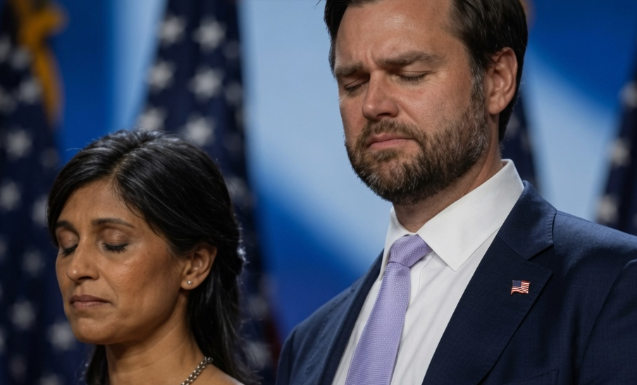
The United Kingdom has issued a swift and resolute response to controversial remarks made by Vice President Vance, which were widely interpreted as undermining the contributions of British armed forces. Veterans and active military personnel reacted with intense criticism, pointing specifically to the 636 British service members who made the ultimate sacrifice during joint operations in Iraq and Afghanistan. Well-known veterans, including Johnny Mercer and Andy McNab, led the outcry, accusing the Vice President of showing a profound lack of respect for the allied troops who have fought and died alongside their American counterparts.
The disapproval resonated through the upper echelons of the military establishment, with retired senior officers such as Lord West and General Sir Patrick Sanders highlighting the deep-seated partnership and mutual sacrifices that define the UK-US special relationship. In the political sphere, the reaction was equally sharp. Shadow Defense Secretary James Cartlidge characterized the statements as “deeply disrespectful,” while former Foreign Secretary James Cleverly and various members of Parliament called for a greater appreciation of the shared history and collective losses endured by both nations’ service members. Prime Minister Keir Starmer eventually intervened, reaffirming the country’s immense pride in its military legacy and stressing the fundamental need for mutual respect between close allies. Following the mounting backlash, Vance sought to clarify his position, asserting that his comments were not directed at the United Kingdom or France, but rather at nations without recent combat experience. Despite this explanation, the incident has sparked a significant debate regarding the importance of diplomatic sensitivity and the recognition of military contributions within international alliances.