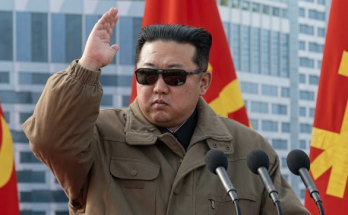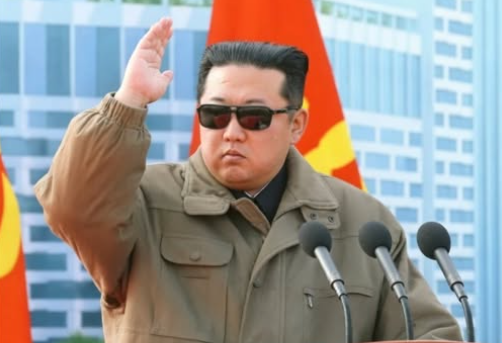
In the high-stakes world of digital information, the speed of delivery often outpaces the accuracy of content. Recently, the global online community was sent into a state of heightened anxiety following viral headlines claiming that South Korea had issued a formal order to initiate a military attack against a foreign nation. These reports, which originated on fringe websites and quickly migrated to major Social Media platforms, sparked intense debates and widespread panic. However, a comprehensive investigation by professional journalists and government analysts has confirmed that these claims are entirely misinformation, with no basis in reality.
Addressing these false reports promptly is a matter of national and international security. When rumors regarding military conflict are allowed to circulate unchecked, they can lead to real-world consequences, including stock market instability and a breakdown in public trust. The reality of the situation, as confirmed by South Korean Officials, is that the government remains committed to its long-standing policy of Regional Stability and diplomatic engagement. No military orders of an aggressive nature have been issued, and the state continues to prioritize the safety of its citizens through defensive monitoring rather than active provocation.
The rapid spread of this particular narrative highlights the structural vulnerabilities of the modern internet. Social Media Algorithms are often optimized for engagement over truth, meaning that sensationalist or fear-based content is amplified regardless of its factual merit. Furthermore, the prevalence of Clickbait Headlines—designed to generate ad revenue by exploiting public fear—creates a breeding ground for rumors. When these technical factors intersect with genuine geopolitical tensions in East Asia, the result is a volatile information environment where fiction can easily be mistaken for breaking news.
To navigate these digital waters safely, journalists and experts emphasize the necessity of relying on Trusted Sources. Established global news agencies such as the Associated Press (AP), Reuters, and the BBC maintain rigorous fact-checking protocols that prevent the publication of unverified rumors. Additionally, the public is encouraged to verify alarming news against official Government Press Releases. By cross-referencing information with multiple reputable outlets, individuals can avoid becoming unwitting participants in the spread of fake news.
The role of the Korean Government in this context has been one of transparent de-escalation. Official spokespeople have reiterated that their focus remains on Diplomacy and international cooperation. This incident underscores the importance of public responsibility; every user has a role to play in the information lifecycle. By exercising Critical Thinking and refusing to share sensationalized content without verification, the public can help mitigate the impact of Viral False Reports. Ultimately, while the geopolitical landscape of the region remains complex, the recent rumors of an attack were a complete fabrication, serving as a potent reminder that in the age of information, truth requires constant vigilance.