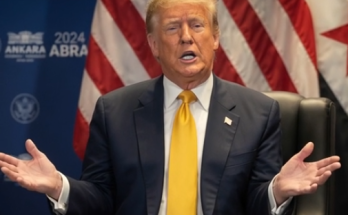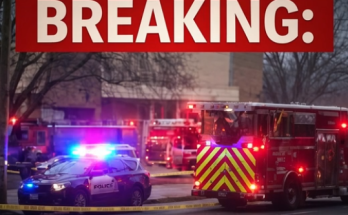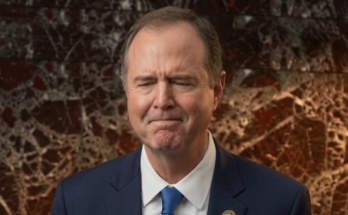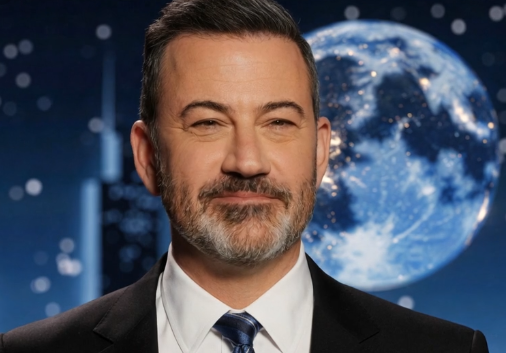
In the wake of a traumatic security breach at the White House Correspondents’ Dinner, a pre-recorded satire by Jimmy Kimmel has ignited a fierce national debate over the boundaries of comedy and political rhetoric. The controversy stems from a sketch aired on April 23, in which Kimmel quipped that Melania Trump possessed the “glow of an expectant widow.” While the comedian intended the remark as a commentary on the age gap between the First Lady and Donald Trump, the joke took on a much darker connotation after the actual dinner on April 25 was disrupted by a shooting—suspected to be a third assassination attempt on the President.
Following the incident, Melania Trump denounced the monologue on social media, characterizing Kimmel’s words as “hateful and violent rhetoric” intended to sow division. Donald Trump similarly condemned the performance, labeling the “expectant widow” joke as “far beyond the pale.” The fallout highlights a growing cultural anxiety in America, where the distinction between late-night satire and physical danger has become increasingly blurred. Critics argue that such punchlines, when delivered in a hyper-polarized climate, can be perceived as dehumanizing or even predictive of real-world violence. Addressing the outcry on Jimmy Kimmel Live!, the host offered a nuanced defense of his craft. Kimmel clarified that the punchline was a “light roast” focused on the fact that Donald Trump is nearly 80 years old, rather than a literal call for harm. He asserted his rights under the First Amendment, stating that while the timing was unfortunate, the joke was about power dynamics and age, not destiny. Kimmel also pushed back against the Trump family’s framing, noting that the President himself has spent years normalizing dehumanizing language and violent fantasies that far exceed the impact of a television monologue. Despite his defiance, Kimmel concluded his response with an uncharacteristic moment of empathy. He acknowledged the genuine trauma experienced by those present during the shooting, expressing sincere regret for the fear and chaos that unfolded. By highlighting his long-standing advocacy against gun culture, Kimmel attempted to separate the intent of his comedy from the reality of political violence. The episode leaves America grappling with a difficult question: in an era where words can echo gunshots, who carries the responsibility to lower their voice first?