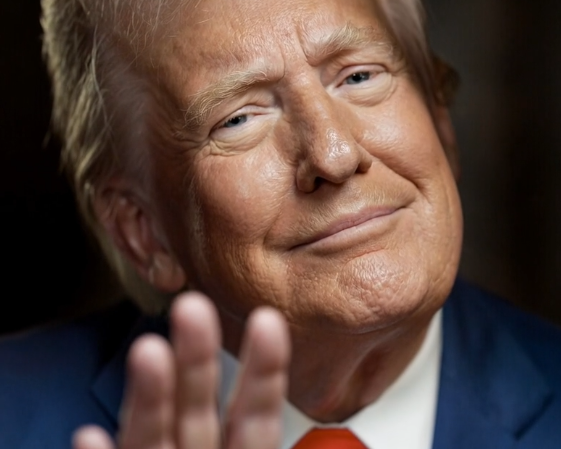
In a historic move, President Donald Trump has become the first sitting commander-in-chief to personally attend oral arguments at the U.S. Supreme Court. His presence in the courtroom marks a significant escalation in the legal battle over his administration’s immigration policies. The President observed proceedings in the high-stakes case known as Barbara v. Trump, which directly challenges one of his most consequential executive orders signed at the start of his second term.
The legal dispute centers on a directive that seeks to end the long-standing practice of granting automatic citizenship to children born on American soil to parents who are in the United States either illegally or on temporary status. By appearing in person, the President is signaling the high priority his administration places on redefining birthright citizenship, a concept traditionally rooted in the 14th Amendment of the U.S. Constitution. This rare personal appearance underscores the gravity of the executive branch’s challenge to existing legal precedents. Reporting from NPR indicates that the outcome of Barbara v. Trump could have profound implications for the legal interpretation of the “jurisdiction” clause within constitutional law. While most legal scholars have historically viewed the 14th Amendment as a broad guarantee of citizenship for nearly all children born within the country, the administration is testing the limits of executive power to refine those boundaries. The Supreme Court’s eventual ruling will likely shape the future of American immigration law and define the scope of presidential authority for generations to come.