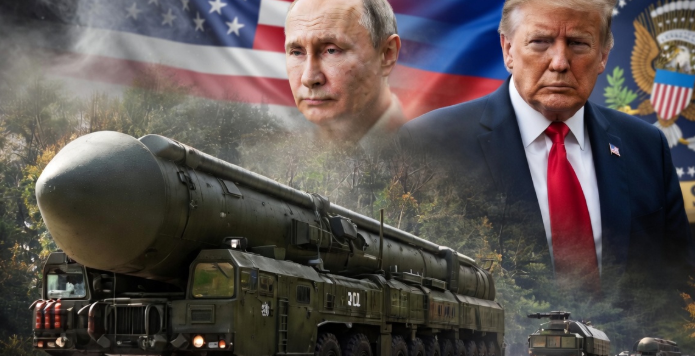
The escalation of conflict in Ukraine has fundamentally shattered long-standing assumptions regarding regional stability and reliance on external alliances. In response, European leaders are abandoning years of complacency, elevating security and defence to immediate priorities. Across the continent, governments are aggressively increasing defence spending and overhauling infrastructure to ensure the rapid deployment of military equipment and troops across borders during potential emergencies. This logistical transformation represents a core pillar of the new geopolitical strategy.
The situation is most intense in Eastern Europe, where visible public awareness programs and practical emergency measures are being implemented to bolster readiness. However, a notable disconnect persists between state-level strategic planning and public sentiment. While governments accelerate their efforts, many citizens remain unprepared for the harsh realities of modern conflict. This internal friction complicates the broader goal of meeting the rising expectations of international allies, who are increasingly demanding that Europe assume greater self-reliance and responsibility for its own regional security infrastructure. Despite a surge in military budgets and the development of coordinated strategies, significant hurdles remain. Deep-seated structural limitations and bureaucratic delays continue to slow the transition from theoretical planning to genuine operational resilience. The primary challenge now facing European systems is no longer recognizing the necessity of action, but rather whether they can evolve fast enough to effectively meet the mounting threats of an increasingly destabilizing era. It is a complex race against time to bridge the gap between policy and preparedness.