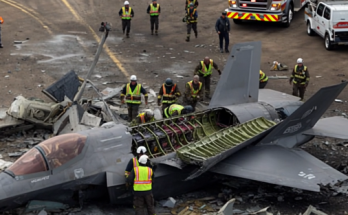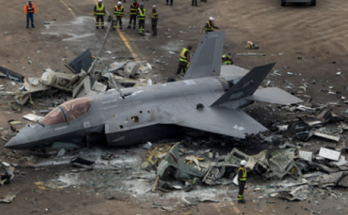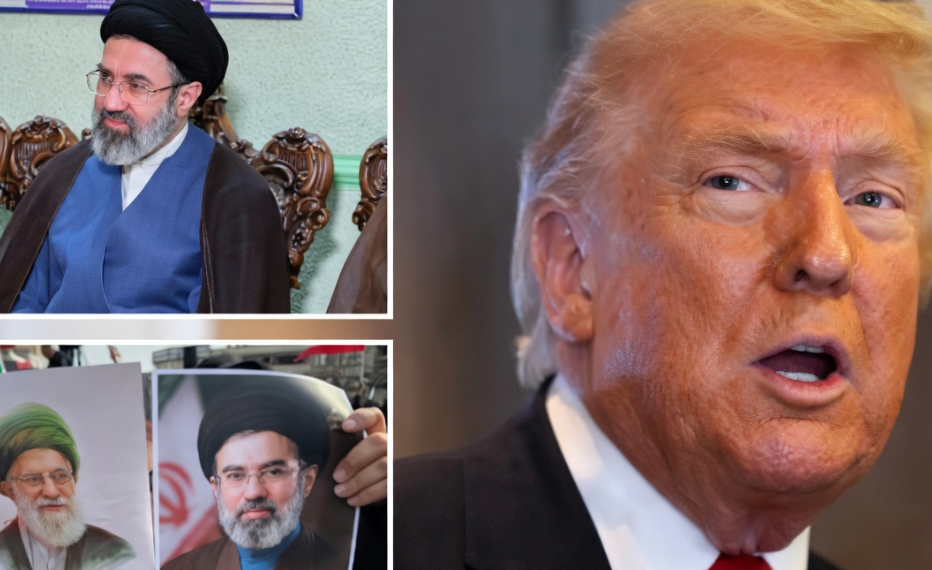
The geopolitical landscape of the Middle East shifted dramatically as United States and Israeli forces executed a high-stakes military campaign known as Operation Epic Fury. The strikes, which reportedly targeted several strategic sites within Iran, focused on neutralizing the nation’s military and nuclear capabilities. +
Officials from Washington and Jerusalem justified the mission as a preemptive measure to disrupt imminent threats and degrade critical infrastructure. Despite Iranian state media reporting the successful interception of some projectiles, visual evidence confirmed significant damage to air-defense installations and military compounds. The aftermath of the strikes has triggered a wave of international concern and economic volatility, as global markets reacted to the sudden intensification of the conflict. In Tehran, military commanders and political leaders have responded with fierce rhetoric, promising a “devastating revenge” that threatens to move the confrontation beyond a localized skirmish. This vow of retaliation has placed the international community on high alert, with European diplomats and global powers frantically calling for regional restraint to avoid an all-out wider war. As governments debate their next moves, the civilian populations in cities like Tehran and Tel Aviv face a harrowing reality. Families remain glued to their devices, listening for emergency sirens and bracing for the possibility of a prolonged conflict. Whether Operation Epic Fury will succeed in its goal of deterrence or ignite a catastrophic regional escalation remains the central, unanswered question currently facing world leaders and citizens alike.