Vindication and Failure: The 1996 Warning That Could Have Stopped Jeffrey Epstein
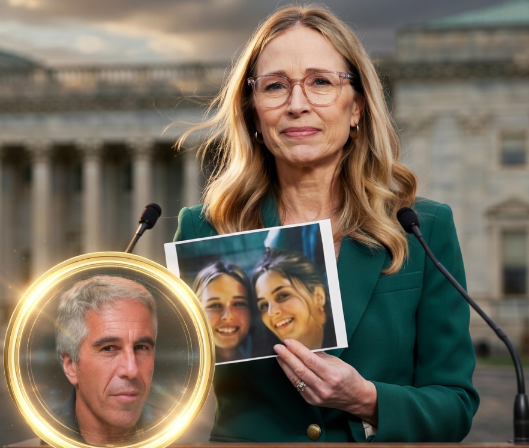
In September 1996, a pivotal phone call was placed to the Miami field office of the Federal Bureau of Investigation, a moment that could have fundamentally altered the trajectory of one of the most infamous criminal cases in American history. The caller, Maria Farmer, then a professional artist, reported that Jeffrey Epstein had misappropriated photographs of her underage sisters and described disturbing behavior witnessed at his residence. For nearly thirty years, Farmer’s account was met with skepticism because no official record of the complaint could be located. However, a December 2025 document release by the United States Department of Justice finally vindicated her, revealing a report dated September 3, 1996, that detailed her allegations.
The rediscovery of this document has intensified scrutiny of the decade-long gap between Farmer’s report and the first meaningful legal action against Epstein. It was not until the mid-2000s that Palm Beach investigators began uncovering the full scope of his crimes. The subsequent federal involvement led to a plea agreement that has since become a focal point of public outrage due to its perceived leniency. Farmer’s vindication is bittersweet; while she feels redeemed, she remains devastated by the knowledge that timely intervention by federal authorities could have protected countless other victims from harm.
This revelation has now moved into the legal arena, fueling a massive $100 million lawsuit against the FBI. Filed by 12 women known as Doe 1 through Doe 12, the litigation centers on the claim that the bureau’s negligence allowed Epstein to maintain his predatory network for years. While legal experts acknowledge the difficulty of overcoming sovereign immunity, the lawsuit represents a critical attempt to hold powerful institutions accountable for systemic failures. The core argument is that the FBI possessed credible information decades ago but failed to act, resulting in long-term consequences for the survivors.
Furthermore, the absence of this 1996 record from a 2020 internal review conducted by the FBI has raised serious questions about transparency. Critics and lawmakers are demanding to know if the omission was a procedural oversight or a deliberate effort to suppress evidence of early failure. The discrepancy has reignited a national debate over institutional responsibility and how allegations against powerful individuals are processed. For survivors, the issue extends beyond procedural analysis to the core of human impact and recognition.
As the case proceeds through the federal court system, it serves as a stark reminder of the importance of early reporting and the catastrophic results of dismissed warnings. Whether through new congressional inquiries or the ongoing lawsuit, the public conversation remains focused on a haunting question: how many lives could have been saved if the 1996 complaint had triggered a full investigation? The story remains unfinished, but the pursuit of accountability has never been more urgent.