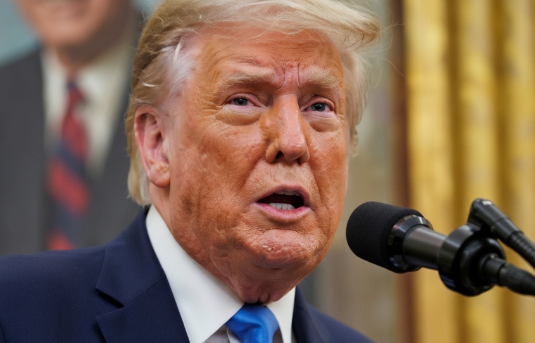
During a pivotal GOP event in Florida on March 9, 2026, President Donald Trump sparked an intense international debate by suggesting a “friendly takeover” of Cuba. Addressing reporters, the President candidly observed the island’s severe economic collapse, stating that the nation currently lacks the necessary resources to sustain itself. This direct language, which included the provocative caveat that a takeover “may or may not be friendly,” has caught many global observers off guard, signaling a potentially aggressive shift in U.S. foreign policy.
The context behind these remarks is rooted in Cuba’s deepening humanitarian crisis. Under the Trump administration’s tightened blockade, the island has suffered from chronic blackouts and hyperinflation. Proponents of the President’s strategy, including Marco Rubio, who has been tasked with handling the situation, argue that economic pressure is a necessary tool to facilitate regime change. This approach mirrors the administration’s past tactics in Venezuela, where firm pressure was applied to the Maduro government, and aligns with current military posturing toward Iran. Public reaction remains deeply polarized. Supporters of the President view his rhetoric as a refreshing display of strength and a clear commitment to dismantling communist influence near U.S. shores. They interpret his unscripted talk as a sign of authenticity. However, critics and political experts have raised alarms, labeling the comments as imperialistic and dangerous. There are significant concerns that such bold declarations could alienate Latin American allies and lead to a protracted military engagement, similar to past interventions in the Middle East. As the United Nations warns of rising health risks for millions of Cubans, the administration’s next moves remain under heavy scrutiny. Whether these remarks are a tactical negotiation ploy or a precursor to direct action, they have redefined the geopolitical landscape. Trump’s penchant for high-stakes commentary continues to dominate the global narrative, leaving the world to wonder if Havana will be the next major theater for American intervention.