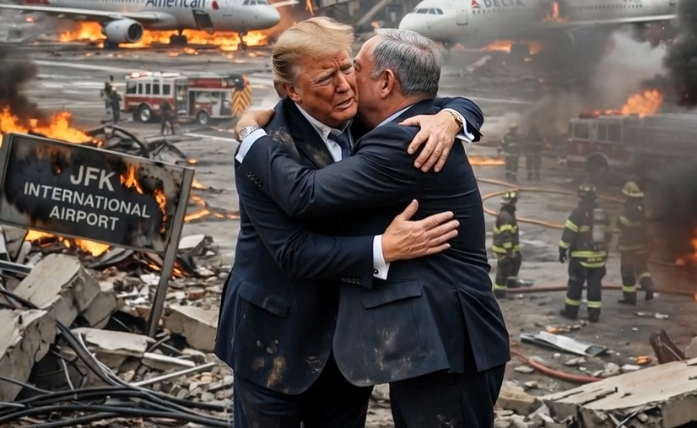
The regional conflict in the Middle East has reached a dangerous tipping point following Iran’s launch of ballistic missiles equipped with cluster warheads at Tel Aviv. Tehran framed the strike as retaliation for the assassination of a high-ranking security official, resulting in civilian casualties and heavy infrastructure damage. Humanitarian organizations have expressed particular concern over the use of cluster munitions, which disperse submunitions that often fail to detonate, creating a persistent, lethal threat to the civilian population in Israel.
This escalation represents a significant worsening of a cycle of violence established in early 2026. The theater of war has expanded geographically, with Iran targeting U.S. bases and allied facilities in Kuwait, Bahrain, the UAE, and Saudi Arabia. In a coordinated counter-offensive, Israel and the United States have conducted strategic airstrikes inside Iran to cripple its military and nuclear infrastructure. Despite the deployment of advanced defense systems like the Iron Dome and Arrow-3, the sheer scale of the weaponry is straining regional security measures. Beyond physical destruction, the friction is severely destabilizing global energy markets. Threats to Gulf oil and gas infrastructure have caused prices to surge, sparking fears of a global economic downturn. With diplomatic channels currently at a stalemate and neither Iran nor Israel showing signs of de-escalation, the potential for a full-scale regional war poses a catastrophic threat to international security.