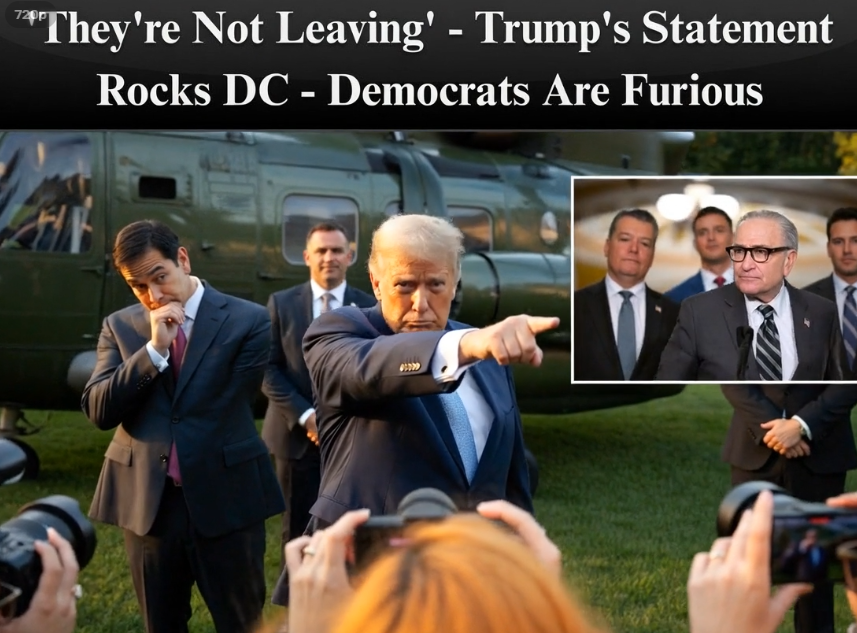
The Pentagon is currently finalizing a strategic plan to maintain a National Guard presence in the District of Columbia through the end of President Trump’s second term, concluding on January 20, 2029. This proposal, which is reportedly in its final stages, currently awaits formal approval from Secretary of War Pete Hegseth. The initiative is a cornerstone of the administration’s broader mission to address the “epidemic of crime” in the nation’s capital, according to statements from Pentagon Press Secretary Kingsley Wilson.
The deployment is part of a specific federal initiative titled “Make D.C. Safe and Beautiful,” which launched in August. While the presence of the more than 2,500 troops currently stationed in Washington was originally intended to wrap up in 2025, the timeline has seen multiple extensions. Initially moved to 2026, the current plan would ensure military support for domestic security remains a fixture in the district for the next four years, significantly altering the long-term security landscape of the capital. The dangers associated with this deployment were highlighted by a violent incident in November involving two West Virginia National Guard members stationed near the White House. The encounter resulted in the tragic death of Army Specialist Sarah Beckstrom, while Air Force Staff Sergeant Andrew Wolfe was left recovering from a gunshot wound to the head. These casualties have intensified the debate surrounding the safety of service members and the necessity of their continued presence in high-crime urban areas. Legal challenges to the deployment have been persistent, led primarily by District of Columbia Attorney General Brian Schwalb. However, the U.S. Court of Appeals for the DC Circuit recently intervened by lifting a lower court injunction that would have forced a withdrawal in December. This appellate ruling effectively clears the path for the administration to proceed with its long-term security strategy, maintaining thousands of Guard members on the streets of the capital despite local political opposition.