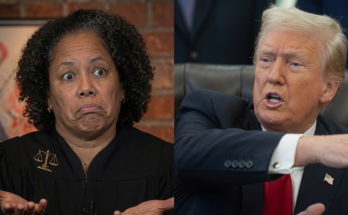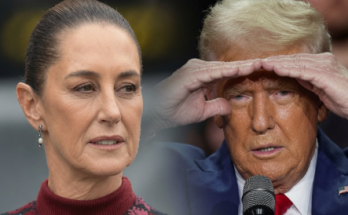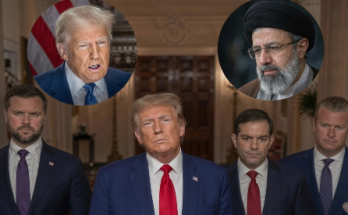
The geopolitical landscape of the Middle East is facing unprecedented volatility following controversial remarks by Donald Trump, which have sparked intense public outcry. This diplomatic friction coincides with a dangerous escalation in regional hostilities that began after coordinated strikes by the United States and Israel. The conflict’s radius has expanded significantly, impacting sovereign nations such as the UAE, Saudi Arabia, Kuwait, Qatar, and Lebanon. As violence permeates these borders, the focus has increasingly shifted toward the strategic Persian Gulf, where energy security is now under direct threat.
Recent intelligence suggests that Iran has intensified its campaign against energy facilities, aiming to disrupt the global supply chain and retaliate against perceived Western aggression. On Friday morning, these threats materialized in a devastating drone attack on the Mina al-Ahmadi oil refinery in Kuwait. The resulting fire underscores the vulnerability of the region’s oil infrastructure and signals a shift toward asymmetrical warfare targeting economic stability. This surge in aggression across the Persian Gulf leaves international observers wary, as the intersection of political rhetoric and military action continues to push the region toward a broader, more destructive confrontation. The global community now faces the daunting task of containing the violence before the humanitarian and economic fallout becomes irreversible.