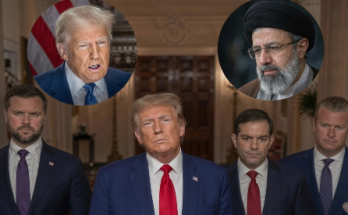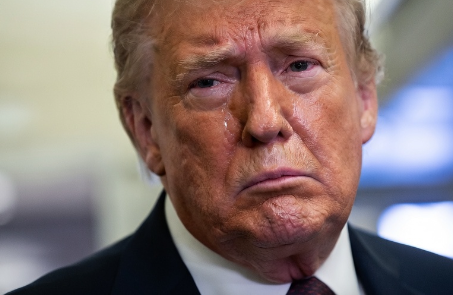
The geopolitical landscape of the Middle East is facing renewed instability following a series of coordinated military actions and inflammatory rhetoric. Public outcry has surged in the wake of a controversial statement made by Donald Trump, adding a layer of political complexity to an already fragile situation.
As tensions between Iran and its neighbors intensify, the region remains on edge after earlier strikes involving the United States and Israel, which have catalyzed a wider spread of violence across several borders. The escalation has significantly impacted several nations, including the UAE, Saudi Arabia, Kuwait, Qatar, and Lebanon. This week, the focus of the conflict shifted toward critical energy infrastructure, with Iran reportedly targeting facilities across the Persian Gulf. These strategic strikes threaten to disrupt global energy markets and have drawn condemnation from international observers monitoring the volatile corridors of the Middle East. A significant escalation occurred on Friday morning at the Mina al-Ahmadi oil refinery in Kuwait. A massive fire broke out at the facility following a reported drone attack, marking a direct hit on one of the region’s most vital economic assets. This incident underscores the growing vulnerability of regional energy hubs as the shadow war between Iran and its adversaries moves into a more direct and destructive phase.