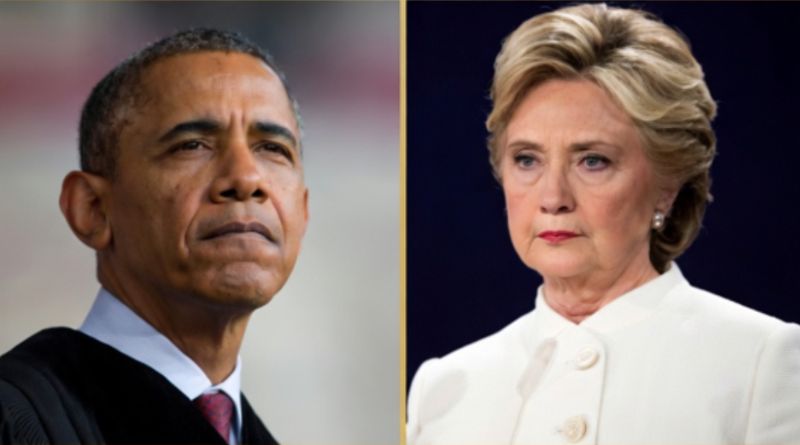
Newly declassified documents have reignited debate over the origins of the Trump–Russia investigation, with some commentators arguing that they point to political maneuvering by Hillary Clinton’s 2016 campaign. The materials, which stem in part from Special Counsel John Durham’s multi-year probe, include intelligence reports and internal memos that have been interpreted in sharply different ways by political figures and analysts. According to some readings of the documents, a proposal circulated among Clinton campaign advisers suggested emphasizing Donald Trump’s perceived ties to Russia as a campaign narrative. References in the materials describe a plan to highlight “Putin’s support for Trump” and shape public perception around concerns of foreign influence in the election. One memo cited in public discussions claims that Clinton approved an approach put forward by a foreign policy adviser to draw greater attention to alleged Russian interference in order to politically challenge Trump.
However, it is important to note that much of this information comes from raw or partially corroborated intelligence. Such material can include unverified claims or even potential disinformation, and it is not treated as conclusive evidence on its own. Durham’s investigation itself raised concerns about how the FBI handled aspects of the Trump–Russia probe, particularly criticizing the bureau for relying on information that was not fully vetted. At the same time, the investigation did not establish that Clinton orchestrated a criminal effort to fabricate allegations against Trump. The broader context of Russian interference also remains central to understanding these developments. Multiple U.S. intelligence assessments, along with findings from the bipartisan Senate Intelligence Committee, concluded that Russia did attempt to influence the 2016 election through hacking and information operations. These efforts included the dissemination of stolen materials and online influence campaigns. However, officials consistently stated that there was no evidence that vote counts were altered or that election infrastructure was successfully compromised in a way that changed the outcome.
Recent declassification decisions by current officials, including intelligence and law enforcement leaders, have added new details to the public record but have not resolved longstanding disagreements over interpretation. Some political figures view the documents as validation of claims that the investigation into Trump was politically motivated, while others emphasize that the underlying issue of foreign interference remains well established. As additional materials continue to emerge, the debate is likely to persist, shaped as much by political perspectives as by the complex and often inconclusive nature of intelligence reporting.