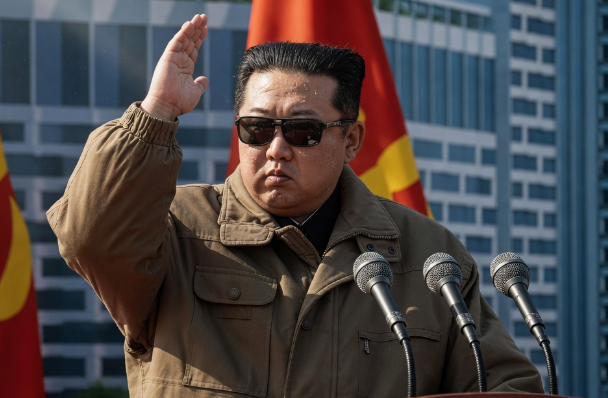
Recent news headlines alleging that South Korea has authorized a preemptive military strike against another nation have caused significant alarm across global social media platforms. These reports, which spread with viral velocity, prompted widespread confusion and panic among netizens. However, after rigorous verification from official government channels and reputable news organizations, these claims have been definitively confirmed as false. This incident underscores the volatility of the modern information landscape, where unverified reports about high-stakes military actions can lead to serious real-world consequences, including public anxiety and the erosion of diplomatic trust. The viral narrative suggested that the Korean government had bypassed traditional protocols to order an immediate strike, sparking fears of a rapidly escalating conflict in East Asia. These claims were often circulated by websites utilizing clickbait headlines and social media accounts that lacked credible citations or official corroboration. In reality, statements from Seoul indicate that the government is focused on regional stability and actively monitoring international developments through diplomatic lenses. Officials have reiterated that there is no evidence of any planned aggression, and the priority remains the safety of citizens and the maintenance of peace.
The rapid spread of this misinformation can be attributed to several systemic factors. Social Media Algorithms frequently prioritize sensational and emotionally charged content, which increases visibility regardless of the story’s factual accuracy. Furthermore, topics involving national security trigger intense fear and anxiety, making individuals more likely to share content before verifying it. By understanding these mechanisms, the public can develop a more critical eye toward viral rumors and recognize how fear-based engagement drives the circulation of fake news. To navigate such alarming news cycles, journalists and security experts recommend relying exclusively on trusted sources. These include official press releases from the Ministry of National Defense, as well as reporting from established global agencies like the Associated Press, Reuters, and the BBC. Expert analyses from recognized political scholars can also provide the necessary context to distinguish between routine military exercises and actual declarations of conflict. Consulting multiple reputable outlets is the most effective defense against being misled by fabricated stories designed to harvest clicks. South Korean officials have played a proactive role in addressing these rumors by emphasizing transparency and peaceful conflict resolution. The government’s strategy involves continuous strategic planning and engagement in diplomatic discussions with allies to ensure that regional security is handled with responsibility rather than aggression. This measured approach stands in stark contrast to the chaotic and inflammatory claims found on social media. The public is urged to practice digital literacy by checking facts, avoiding the amplification of unverified news, and maintaining a calm perspective when faced with sensational headlines. In conclusion, the claim that Korea has ordered a military attack is entirely without merit. This event serves as a vital reminder of the power of critical thinking in the digital age. As East Asia remains a focal point of international geopolitical attention, the ability to distinguish verified facts from viral misinformation is essential for public safety and rational discourse. By prioritizing credible news outlets and official statements, the global community can prevent the spread of unnecessary fear and support more stable international relations.