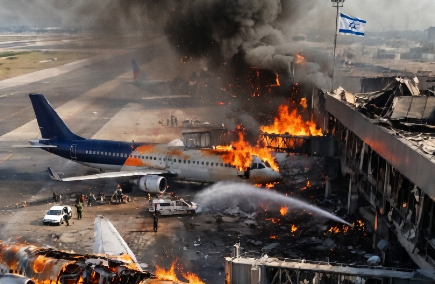
In a major intensification of regional conflict, Iran has launched ballistic missiles equipped with cluster warheads at Tel Aviv. Iranian authorities cited the strike as retaliation for the assassination of a senior security official.
The attack resulted in at least two civilian deaths and significant infrastructure damage, highlighting the humanitarian risks associated with cluster munitions, which disperse explosive submunitions that pose long-term dangers to non-combatants. This strike follows a pattern of heightened aggression since 2026, with Tehran targeting Israeli cities, U.S. bases, and allied facilities across Kuwait, Bahrain, the UAE, and Saudi Arabia. While Israel has utilized its Iron Dome and Arrow-3 defense systems, the sheer volume of the barrage and advanced warhead technology have tested the limits of complete interception. In response, joint U.S.-Israeli airstrikes have targeted Iranian military and nuclear infrastructure. The broader implications of this conflict are already destabilizing global energy markets and sparking international alarm. As diplomatic efforts remain stalled, both Iran and Israel appear committed to continued military engagement, leaving the Middle East in a state of unprecedented volatility and strategic uncertainty.