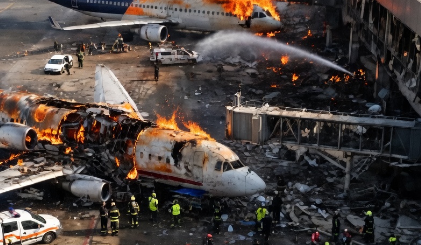
In a significant escalation of Middle Eastern hostilities, Iran launched ballistic missiles equipped with cluster warheads at Tel Aviv. Iranian officials framed the operation as direct retaliation for the assassination of a high-ranking security officer by Israeli forces. The strike resulted in at least two civilian deaths and significant infrastructure damage, drawing international condemnation over the use of cluster munitions, which leave hazardous unexploded submunitions across urban environments.
This strike is part of a broader conflict intensification that has surged since early 2026. Tehran has expanded its offensive reach, targeting U.S. bases and allied facilities in Kuwait, Bahrain, the UAE, and Saudi Arabia. In response, Israel and the United States have conducted precision airstrikes against Iranian military and nuclear infrastructure. While sophisticated defense systems like the Iron Dome and Arrow-3 have intercepted numerous threats, the sheer volume and the deployment of cluster technology have tested the limits of Israel’s aerial shield. The global impact of the conflict is already being felt through volatile energy markets following attacks on Gulf energy infrastructure. As diplomatic efforts remain stalled, both Iran and Israel have signaled a commitment to continued military action. This persistent cycle of retaliation has left the international community deeply concerned about the potential for an all-out regional war and the growing humanitarian toll on civilian populations.