Senate Rejects Resolution Seeking Greater Congressional Oversight of Potential Military Action Against Iran
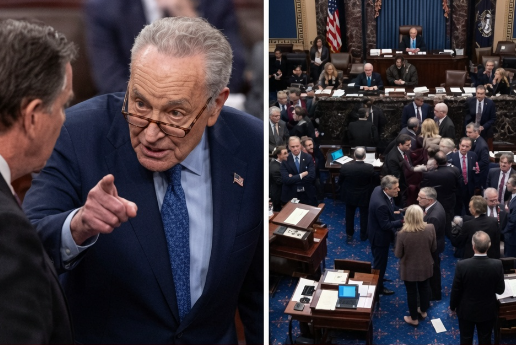
The U.S. Senate narrowly rejected a Democratic-led resolution Tuesday that would have required congressional approval before President Donald Trump could undertake certain military operations against Iran. The measure failed by a 48-47 vote, preserving the administration’s current authority while highlighting ongoing debate over presidential war powers.
Introduced by Sen. Raphael Warnock, D-Ga., the resolution argued that Congress should play a more active constitutional role in decisions involving the use of military force. Warnock said lawmakers have a responsibility to ensure that major military actions receive congressional review rather than being decided solely by the executive branch.
Four Republican senators—Susan Collins of Maine, Bill Cassidy of Louisiana, Lisa Murkowski of Alaska, and Rand Paul of Kentucky—joined Democrats in supporting the proposal, citing concerns about congressional oversight. However, Sen. John Fetterman, D-Pa., voted with most Republicans against the measure, providing the decisive vote that prevented its passage.
The vote followed President Trump’s announcement that the United States and Iran had reached an agreement aimed at easing months of heightened tensions. While the president described the negotiations as successful, the administration has not yet released detailed information about the agreement, prompting questions from lawmakers in both parties.
Senate Majority Leader John Thune said Congress is seeking additional details regarding the agreement and whether it falls under provisions of the Iran Nuclear Agreement Review Act, which requires congressional review of certain arrangements involving Iran.
The White House opposed the resolution, arguing that it was unnecessary and maintaining that the president possesses constitutional authority as commander in chief to respond to national security threats. Administration officials also noted that recent diplomatic developments had changed the circumstances surrounding potential military action.
Democratic leaders signaled they will continue pursuing legislation designed to strengthen congressional oversight of military engagements. A separate proposal introduced by Sen. Tim Kaine remains under consideration.
The outcome reflects the continuing constitutional debate over the balance of power between Congress and the presidency in matters of war. For now, no new legislative restrictions have been placed on the administration’s authority regarding potential military operations involving Iran.