Trump Administration Highlights 13 Consecutive Months of Zero Border Releases
The Trump administration announced that, according to Department of Homeland Security (DHS) and U.S. Customs and Border Protection (CBP) data, U.S. Border Patrol has released no migrants into the United States for 13 consecutive months after apprehension at the southwest border.
Administration officials described the milestone as evidence that the government’s immigration enforcement strategy has significantly changed border operations. According to DHS, individuals apprehended at the border have been processed through detention, expedited removal, deportation, or other procedures authorized under federal immigration law rather than being released into the country’s interior.
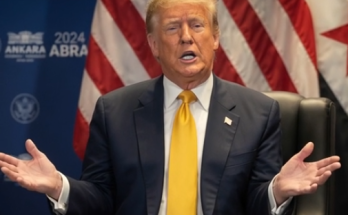
President Donald Trump credited the development to his administration’s border security policies.
“For the past 13 months, zero illegal aliens have been admitted into the United States. Zero,” Trump said, adding that the administration has prioritized the removal of individuals convicted of serious crimes while strengthening border security.
DHS Secretary Markwayne Mullin also highlighted the reported figures, stating that expanded detention capacity, expedited removals, and agreements with foreign governments have contributed to the administration’s enforcement efforts. CBP Commissioner Rodney S. Scott contrasted the current policy with previous years, saying the administration has substantially reduced migrant releases and strengthened border enforcement.
Since returning to office, the Trump administration has reinstated or expanded several immigration policies, including the “Remain in Mexico” program, increased detention capacity, accelerated removal proceedings, and continued construction of border barriers. The administration has also sought additional funding for Border Patrol personnel, surveillance technology, and detention facilities through legislation aimed at strengthening border security.
Supporters of the administration argue that the policies have contributed to historically low levels of illegal border crossings while improving public safety and reducing pressure on immigration enforcement agencies. They also point to increased cooperation with foreign governments and expanded efforts to combat drug trafficking and transnational criminal organizations.
Critics, however, have questioned aspects of the administration’s immigration policies, arguing that stricter enforcement measures can limit access to asylum protections and create humanitarian concerns for migrants seeking refuge in the United States. Immigration advocates have also raised concerns about detention conditions and the impact of expanded enforcement on vulnerable populations.
The administration maintains that its enforcement-first approach has restored greater control over the southern border while emphasizing compliance with federal immigration law. Immigration policy remains one of the most closely watched issues in Washington, with supporters and critics continuing to debate the balance between border security, humanitarian obligations, and the nation’s long-term immigration system.