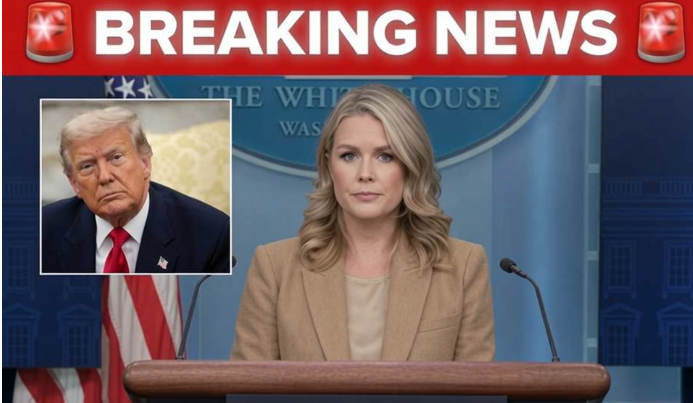
Breaking the Monopoly: Karoline Leavitt Defends Trump’s New White House Media Strategy
Karoline Leavitt, the White House Press Secretary, has stepped forward to champion a new era of transparency and media accessibility within the Trump administration. During a high-profile exchange with Axios co-founder Mike Allen, Leavitt outlined a radical departure from traditional press relations. She argued that the administration is actively working to dismantle the “monopoly” that a handful of legacy news organizations have historically held over the exclusive 13-person press pool. By rotating access and inviting a broader spectrum of voices, the administration claims to be fostering a more democratic and representative media environment that reflects the modern journalistic landscape.The debate specifically touched upon the role of the Associated Press and its chief photographer, Evan Vucci, whose iconic “fight, fight, fight” image from Butler, Pennsylvania, remains a definitive moment in political history. While critics, including the White House Correspondents Association (WHCA), fear that changing the status of wire services could erode the independence of the media, Leavitt countered that these adjustments are “opening access” rather than restricting it. She insisted that the WHCA board should not be the sole arbiter of who gains entry to the Oval Office or travels on Air Force One, advocating instead for equal access for all outlets regardless of their size or historical tenure.This strategy is presented as a direct reflection of the digital age and the “nontraditional media campaign” that defined the president’s path back to power. Leavitt emphasized that the goal is not ideological filtration; if it were, she noted, certain “leftist outlets” would be barred from the White House. Instead, the focus is on recognizing the thousands of credentialed journalists who cover the beat every day. By moving away from the rigid, gatekept structures of the past, the administration believes it is providing a more comprehensive and transparent view of the government’s activities to a global audience that increasingly consumes news through diverse platforms.Finally, the contrast between Donald Trump and his predecessor, Joe Biden, remains a central theme of this media overhaul. Historical data reveals a significant gap in public engagement; while Biden conducted only 164 interviews and press conferences by a similar milestone in his presidency, Trump had reached a staggering 468. This perceived “media evasion” by the previous administration stands in sharp contrast to the current pace of interaction. Even when compared to past presidents like George W. Bush and Ronald Reagan, the Biden administration’s accessibility was notably lower, making the current push for more “voices and news” a pivotal shift in executive communication.