Iran-Israel Conflict Intensifies, Raising Fears of Wider Regional War
Escalating hostilities between Iran and Israel are heightening concerns about the possibility of a broader conflict across the Middle East, as military exchanges continue and diplomatic efforts struggle to gain momentum.
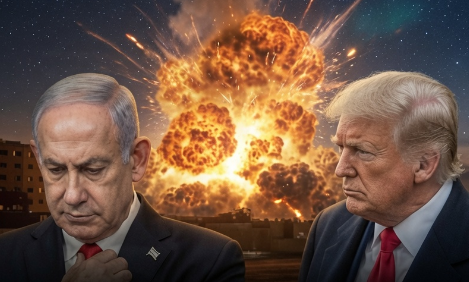
Recent reports indicate that Iran has launched missile strikes targeting areas in Israel, including locations near Tel Aviv. Some reports suggest that cluster munitions may have been used during the attacks, drawing international scrutiny due to the weapons’ potential to cause indiscriminate harm and leave behind unexploded ordnance that can threaten civilians long after hostilities end.
Iranian officials have described the strikes as retaliation for the killing of a senior security official, an incident Tehran attributes to Israel. Analysts, however, say the growing frequency and intensity of the attacks reflect a shift from indirect confrontations conducted through regional proxies toward more direct military engagement between the two longtime adversaries.
Israel’s advanced air defense systems, including Iron Dome and Arrow, have intercepted many incoming missiles and drones. Nevertheless, defense experts warn that sustained barrages could place increasing pressure on these systems, particularly if attacks become more sophisticated or occur simultaneously across multiple fronts.
The conflict has also expanded beyond the immediate Israeli-Iranian arena. Reports indicate that Iranian forces and allied groups have targeted U.S. military facilities and partner installations across the Gulf region, including sites in Kuwait, Bahrain, the United Arab Emirates, and Saudi Arabia. In response, the United States and Israel have conducted joint operations against Iranian military infrastructure and suspected nuclear-related facilities.
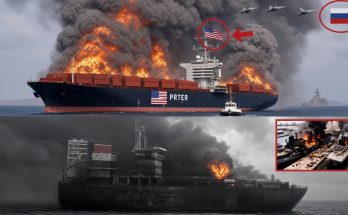
The escalating violence has raised concerns about civilian casualties, infrastructure damage, and population displacement. Energy markets have also experienced volatility amid fears that continued instability could disrupt oil production and shipping through the strategically vital Strait of Hormuz.
With both sides signaling readiness for further action, international observers warn that failure to achieve de-escalation could have significant humanitarian, economic, and geopolitical consequences extending far beyond the region.