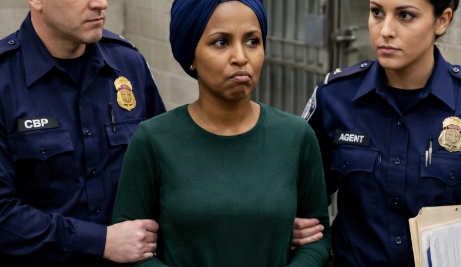
Debate over transparency and accountability in Washington has intensified as political divisions deepen surrounding calls to examine the personal and financial records of Ilhan Omar. Critics argue that efforts to obtain additional information about the Minnesota congresswoman’s immigration history, financial disclosures, and past marriages have faced significant resistance from political allies and advocacy groups.
Supporters of further scrutiny claim that unanswered questions remain regarding Omar’s reported financial growth and past personal relationships. Among the concerns raised are allegations circulating in political circles that her personal wealth increased dramatically in recent years, as well as claims—strongly disputed by her supporters—related to potential irregularities in past marital documentation. These claims have not been proven in court, but they have nonetheless fueled calls among some lawmakers and commentators for formal subpoenas and additional review. Advocates of the investigations argue that public officials should be subject to the same legal standards and oversight as any other citizen. They contend that transparency is essential for maintaining public trust in government institutions and ensuring that elected leaders are fully accountable for their conduct. Critics of Omar believe that examining the available records would either confirm or refute the allegations and allow the matter to be resolved publicly. The push for greater scrutiny has also been echoed by allies of former President Donald Trump, who has emphasized the importance of uniform accountability within government. Trump and his supporters argue that political leaders should not be shielded from investigations simply because they hold public office or enjoy support from influential political networks. Meanwhile, Omar’s defenders maintain that many of the accusations stem from politically motivated attacks rather than credible evidence. They warn that pursuing investigations based on unverified claims risks weaponizing government oversight for partisan purposes. As the debate continues, the broader issue of transparency in public service remains at the center of the discussion, with both sides asserting that accountability must apply equally to all elected officials.