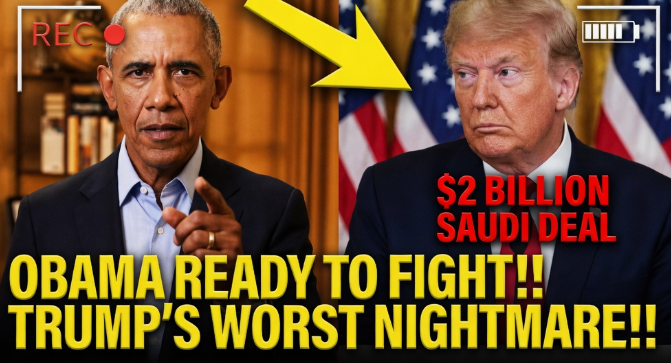
In the high-stakes arena of American power, a fundamental shift is remapping the political landscape. Recent events suggest that the Democratic Party has successfully pivoted from defensive posturing to a proactive strategy of engagement, while the coalition that twice propelled Donald Trump to the presidency is facing a historic collapse. This transformation is driven by a combination of viral messaging, strategic policy contrasts, and a stark audit of the administration’s foreign and domestic failures. A pivotal moment in this shift occurred when Barack Obama issued a global warning following the landslide victory of the pro-democracy Tisza Party in Hungary. By celebrating the defeat of Viktor Orbán, Obama signaled a strategic wake-up call to the American electorate regarding the resilience of the rule of law. This viral post, reaching over 70 million views, created a sharp visual contrast between Obama’s message of hope and President Trump’s late-night grievances on Truth Social, highlighting a growing divide between leadership rooted in purpose versus leadership rooted in personal grievance.
The narrative gap widened further during a high-profile visit to the South Bronx by Barack Obama and NYC Mayor Zohran Kwame Mamdani. By visiting an early childhood education center to champion universal free childcare, the leaders utilized a strategy of joy and empathy to highlight the administration’s dismissal of family support programs. While Trump focused on inflammatory rhetoric regarding immigrants “poisoning the blood” of the country, Democrats effectively used the visit to demonstrate a tangible commitment to the needs of ordinary families, signaling a new era of “kitchen table” politics. Perhaps the most damaging blow to the administration came from Augusta, Georgia, where U.S. Senator Jon Ossoff delivered a speech described by analysts as unmistakably presidential. Ossoff presented what he termed the “Mar-a-Lago Corruption Project,” a detailed ledger of alleged entanglements involving Jared Kushner’s Saudi payroll, the Trump sons’ defense pitches, and Pete Hegseth’s private fund. By framing the administration as an “authoritarian project” that seeks to rule subjects rather than lead citizens, Ossoff has positioned himself as a primary antagonist to the current White House power structure. The critique extended to the administration’s handling of Operation Epic Fury, the ongoing war in Iran. Despite repeated claims of victory, Ossoff highlighted that the Strait of Hormuz remains closed and the financial cost has ballooned to $200 billion. By translating this figure into domestic terms—noting that these funds could have provided a decade of universal pre-kindergarten—Democrats are successfully connecting foreign policy failures to the economic struggles of the working class. Data from Pew Research and PRRI confirm that these efforts are yielding results, showing a catastrophic collapse in Trump’s support among non-college-educated white voters, which saw a net shift of -34 points. This disillusionment is rooted in the rising cost of living, with ground beef and coffee prices soaring while the Trump family’s personal wealth reportedly continues to grow. As reality catches up with rhetoric, the Democratic Party appears to have cracked the President’s once-unassailable coalition, setting the stage for a potential generational shift in the upcoming 2026 elections.