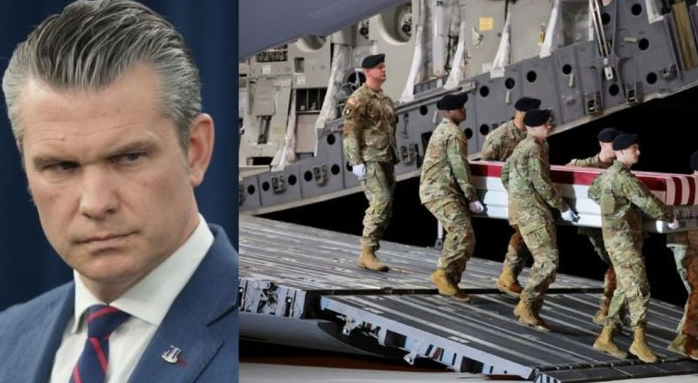
The deadly Iranian drone strike on March 1, 2026, at Port Shuaiba, Kuwait, has become a center of controversy as survivors challenge the official military narrative. The attack, which claimed the lives of six American service members from the 103rd Sustainment Command and wounded twenty others, occurred during the volatile early stages of Operation Epic Fury—the joint U.S.-Israeli military campaign against Iran. While the Pentagon initially described the event as an unavoidable tragedy involving a “fortified” position, those on the ground paint a picture of systemic unreadiness and neglected defenses.
Defense Secretary Pete Hegseth characterized the lethal drone as a “squirter,” a term used for threats that manage to slip through sophisticated defense umbrellas. However, survivors interviewed by CBS News have vocally rejected this framing. They describe the tactical operations center as a mere collection of converted trailers with “none” in the way of meaningful fortification. According to these service members, the site relied on minimal vertical blast barricades and lacked any form of overhead cover, leaving them completely vulnerable to the types of aerial munitions frequently employed by Iranian forces. Further complicating the situation is the decision-making process that led the 103rd Sustainment Command, a unit comprised largely of Army Reservists, to be stationed at Port Shuaiba. Soldiers questioned why they were relocated to an area south of Kuwait City that was widely recognized as a high-risk target. One survivor noted that the move closer to Iran felt “deeply unsafe” and lacked a clear strategic rationale. Despite these claims, Pentagon spokesman Sean Parnell has stood by the assessment that the facility was secure, citing the presence of six-foot walls as evidence of force protection measures. This clash of accounts highlights the dangerous disconnect that can occur between high-level strategic assessments and the tactical realities of forward logistics sites. As Operation Epic Fury progressed toward a ceasefire regarding the Strait of Hormuz, the incident at Port Shuaiba has fueled a broader debate over whether the White House underestimated the retaliatory reach of Iranian drone swarms. As the dust settles, the demand for congressional oversight and formal after-action investigations grows louder. Journalists and military analysts alike argue that accountability for these lapses is essential. Transparent reporting is not merely a matter of political disagreement over the Iran campaign; it is a necessary step to honor those who fell by ensuring that future deployments prioritize the safety of logistics personnel through adequate drone defense capabilities and hardened shelters.