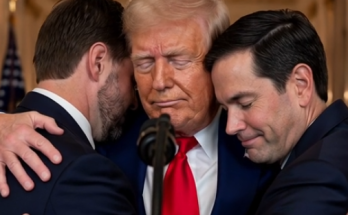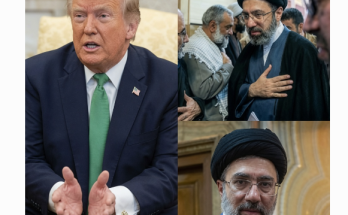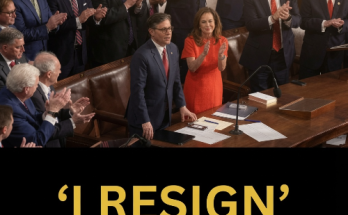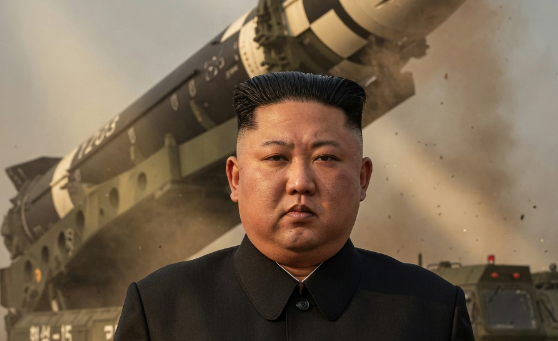
The text provides a detailed analysis of modern clickbait strategies, specifically focusing on headlines that use North Korea and Donald Trump to manufacture a sense of global panic. Although the wording suggests an imminent threat, the content often lacks substance, failing to provide evidence of any military strike, official emergency, or declaration of war. Instead of factual reporting, these articles often pivot into satire and nonsensical themes to maintain reader engagement without delivering news.
This phenomenon is categorized as high-impact clickbait, a technique designed to exploit the psychological tendencies of the audience. By utilizing globally recognized political figures and high-urgency keywords like BREAKING and APOCALYPSE, publishers create an information gap. This leads readers to instinctively imagine worst-case scenarios, such as nuclear war or missile strikes, even when the text provides no such details. The ultimate goal is to maximize digital traffic and clicks rather than upholding the standards of verified information. As information continues to spread at a pace that often outstrips verification, the text warns that emotional reactions frequently override rational analysis. To combat the spread of misleading information, it is essential for readers to look beyond the headline and evaluate the full context of an article. Relying on credible international news outlets and practicing careful verification remain the most effective ways to navigate a media landscape dominated by sensationalism and emotional amplification.