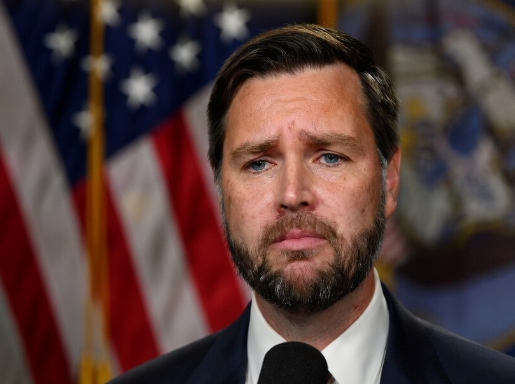
The United States and Iran have reached a high-stakes diplomatic breakthrough, culminating in a “fragile truce” announced just as a critical deadline expired on Tuesday evening. Vance signaled a firm stance throughout the negotiations, expressing confidence that the administration would secure a response from Tehran regarding the ongoing maritime blockade. Emphasizing the necessity of global energy stability, Vance characterized Iranian interference in the Strait of Hormuz as “economic terrorism,” warning that President Donald Trump remains prepared to utilize a potent “toolkit” of military and economic measures if the regime fails to permanently alter its course of conduct.
The conflict stems from a volatile period following U.S.-Israeli strikes in February 2026, which prompted Iran to restrict access to the Strait of Hormuz. As a chokepoint that once carried approximately one-third of the world’s oil exports, the resulting 90 percent decline in traffic triggered massive fluctuations in international energy markets. Leading up to the ceasefire, President Trump utilized a combination of social media ultimatums and public announcements to apply pressure. On Truth Social, the President issued a 48-hour warning, threatening the “obliteration” of Iranian power plants and infrastructure. This rhetoric followed a military escalation on Friday when Iran downed two U.S. aircraft, an incident that fortunately resulted in the successful rescue of all American crew members. The resulting two-week ceasefire includes a limited reopening of the Strait of Hormuz. However, the deal contains a controversial provision allowing Iran and Oman to collect fees from transiting ships, a significant departure from the waterway’s historical status as an international passage. Despite this concession, Vance noted that the United States has largely achieved its immediate military objectives while maintaining significant leverage for future negotiations through diplomatic and economic channels. As global markets react with cautious optimism, the internal durability of the truce remains in question. Vance clarified that the agreement is strictly limited and does not encompass a broader cessation of hostilities in Lebanon or involving Hezbollah, dismissing such expectations as a “legitimate misunderstanding” by Tehran. He further accused certain Iranian officials of “lying” about the specifics of the pact. With a U.S. delegation now preparing to head to Islamabad for further discussions, the international community remains watchful of whether this brief pause will lead to a lasting regional de-escalation or if internal divisions within the Iranian government will once again collapse the fragile peace.