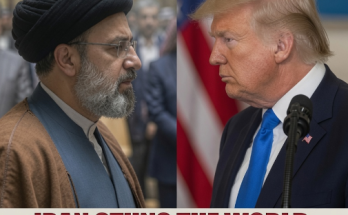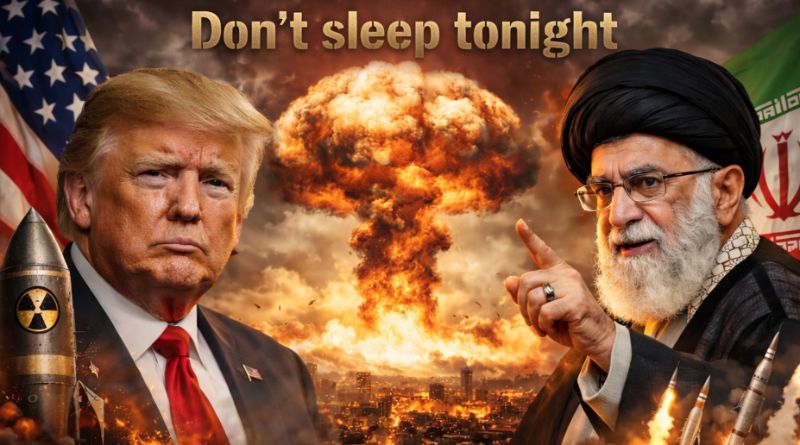
Iranian authorities have issued a stark and ominous warning, declaring that “this is not a night to sleep” as the country prepares to unveil what it describes as new additions to its military arsenal. The statement, delivered through state media, indicated that advanced military technologies would soon be revealed, marking what officials called a “new phase” in Iran’s combat capabilities. The tone of the message was unmistakably threatening, emphasizing that even underground shelters and heavily fortified facilities may no longer provide safety for adversaries.
“Tonight you will be introduced to the latest weapons. Even shelters are no longer safe,” the message read. Analysts have widely interpreted this as a calculated signal aimed at both regional rivals and international powers, underscoring Iran’s intent to demonstrate both technological progress and strategic confidence.
The timing of the announcement is notable, coming amid rising tensions across the Middle East. In recent months, the region has experienced increasing political friction, military activity, and proxy conflicts. Against this backdrop, Iran’s warning appears to be part of a broader effort to assert its influence and reinforce its position in an increasingly volatile environment.
Security experts suggest that statements of this nature often serve a dual purpose. While they may reflect genuine advancements in military capabilities, they also function as tools of psychological signaling. By issuing a dramatic and highly publicized warning, Iran may be attempting to shape perceptions among its adversaries, deter potential threats, and project an image of strength.
Although concrete details remain limited, early speculation has focused on potential developments in missile systems, drone technology, or other forms of precision weaponry. Iran has spent years investing in these areas, aiming to expand its reach and enhance its strategic deterrence. However, officials have not confirmed the specific systems involved, nor have they indicated that any immediate military action is planned.
The announcement has drawn concern from the international community. Some Western diplomats have described the rhetoric as provocative, cautioning that such statements could further escalate tensions in an already fragile region. Calls for restraint have followed, with an emphasis on avoiding actions that might trigger a broader conflict.
Public reaction in neighboring countries has been swift, with many closely following developments. Social media platforms are filled with discussion, speculation, and analysis, reflecting widespread anxiety about the potential implications. The intense public interest highlights how sensitive the current geopolitical climate has become.
Experts also stress the importance of perception in this situation. The suggestion that traditional defensive measures, such as reinforced shelters, may no longer be effective carries significant psychological impact. Even without confirmed details, such claims can influence both strategic calculations and public sentiment. In this way, the announcement serves not only as a military statement but also as a form of information warfare.
As the situation continues to unfold, analysts and officials are watching closely for further clarification. The coming hours are expected to provide more details about the technologies involved and the broader intent behind the announcement. For now, the warning stands as a clear reminder of the fragile and rapidly shifting dynamics in the Middle East, where military signaling, political tension, and strategic messaging remain deeply interconnected.