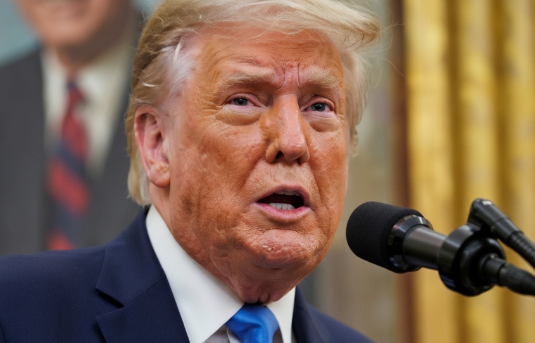
In a move that has sent shockwaves through international diplomatic circles, President Donald Trump recently signaled a potentially radical shift in United States foreign policy toward Cuba. During a GOP event in Florida on March 9, 2026, the President suggested a “friendly takeover” of the island nation might be on the horizon. His candid remarks, which included the blunt assessment that “it may be a friendly takeover” or “it may not,” highlight a provocative stance on regime change that has become a hallmark of his administration’s strategy. Observers noted that these comments echo his earlier predictions from January, where he suggested the Cuban government would soon fall.
The context for these remarks is a Cuba grappling with its most severe economic crisis in decades. Following a tightened U.S. blockade and the collapse of financial support from Venezuela, the island has faced persistent blackouts and soaring food prices. Trump emphasized the island’s vulnerability, stating they have “no money” and “no anything,” suggesting that economic pressure is reaching a breaking point. To manage this volatile situation, the administration has reportedly assigned Marco Rubio to oversee high-level discussions, signaling a hardline approach toward the Caribbean nation. This rhetoric aligns with Trump’s broader geopolitical objectives, which have already seen firm tactics deployed against Maduro in Venezuela and military strikes in Iran. Analysts suggest that the proximity of Cuba to Florida makes it a primary target for U.S. security interests. However, the prospect of a takeover—whether diplomatic or military—carries immense risks. While historical interventions are cited as precedents, experts warn that aggressive talk could alienate allies and spark a humanitarian disaster, with the United Nations already warning of health risks for millions. The domestic reaction has been sharply divided. Supporters praise the President’s “unfiltered” leadership, viewing his words as a necessary show of strength against communism. Conversely, critics and international observers have labeled the rhetoric as “imperialist” and “dangerous,” fearing it could lead to unnecessary war. Social media platforms have become a digital battleground for these ideas, with clips of the quote sparking intense debate over sovereignty versus interventionism. As the situation evolves, the world watches to see if these bold words will lead to a definitive military move or serve as a high-stakes bargaining chip.