Anderson Cooper Bids Emotional Farewell to 60 Minutes After Two Decades
Veteran journalist Anderson Cooper delivered an emotional farewell to the iconic television newsmagazine 60 Minutes, signing off after a distinguished 20-year tenure that he described as one of the greatest privileges of his professional career.
The 58-year-old correspondent made his final appearance during the program’s season finale, presenting a report from London that examined how the city’s historic taxi industry is adapting to the rise of autonomous vehicle technology. While the segment itself reflected the in-depth reporting style that has defined Cooper’s work on the program, it was his closing moments that resonated most strongly with viewers.
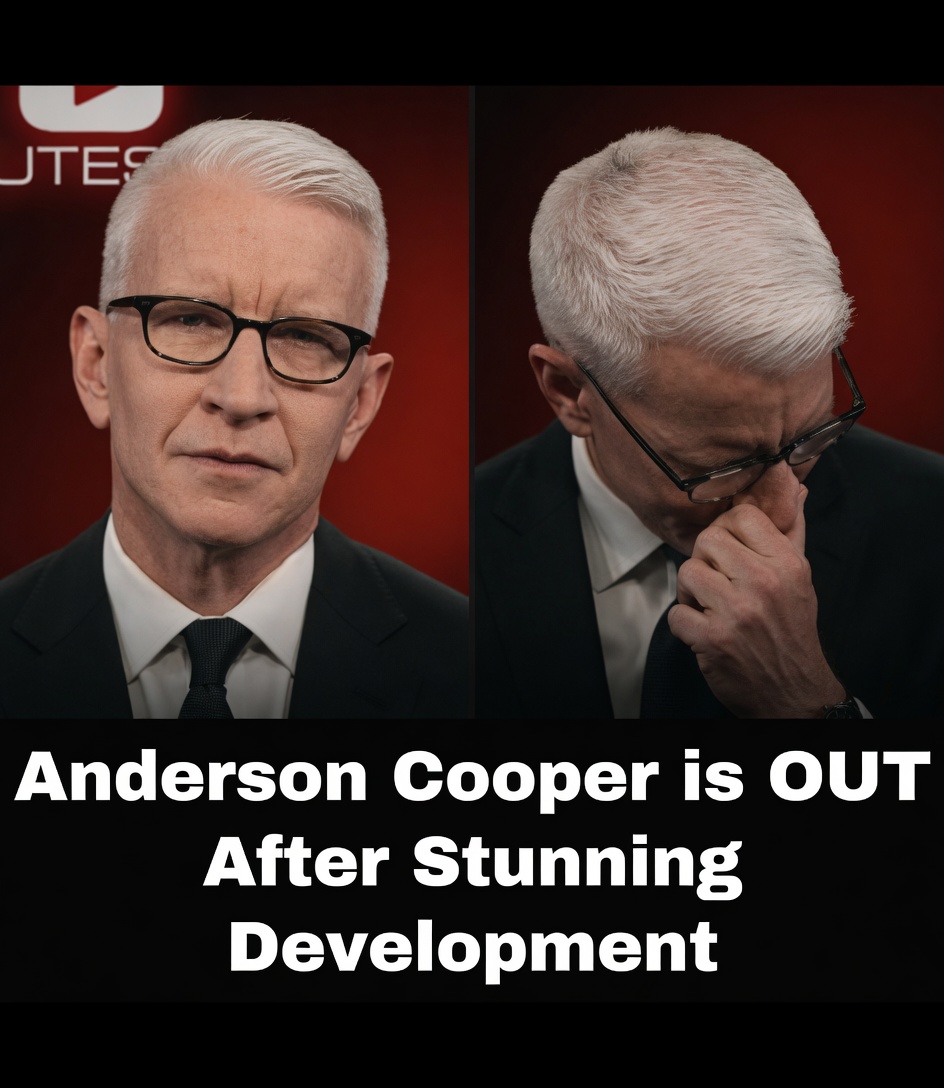
As the broadcast came to an end, Cooper appeared visibly emotional while preparing to deliver his customary sign-off. Pausing briefly and fighting back tears, he looked directly into the camera and repeated his trademark closing words three times: “I’m Anderson Cooper.”
The heartfelt moment marked the conclusion of a remarkable chapter in broadcast journalism and was followed by an extended interview with CBS News reflecting on Cooper’s two decades with the program.
During the conversation, Cooper spoke candidly about his lifelong connection to journalism and his early appreciation for 60 Minutes. He recalled watching the news as a child, describing the program as a meaningful presence during difficult periods in his life.
“I was a weird little kid. I liked watching news,” Cooper said while reflecting on his childhood. Following the death of his father, news broadcasts became a regular part of family life, often watched during dinner in a household that had grown quieter in the wake of loss.
That personal connection made his eventual arrival at 60 Minutes in 2006 especially significant. Cooper admitted that joining one of television’s most respected news programs felt almost surreal.
“I could not believe that I was on ‘60 Minutes,’” he said, recalling the excitement and honor he felt when he became part of the legendary broadcast.
Over the years, Cooper reported from some of the world’s most challenging environments and undertook assignments that tested both his skills and endurance. Looking back on his career with the program, he recounted several memorable experiences, including diving alongside Nile crocodiles and suffering temporary vision impairment after riding a jet ski through massive waves off the coast of Portugal.
Despite the adventure and excitement associated with many assignments, Cooper emphasized that the stories he valued most were not necessarily those involving celebrities or high-profile figures. While he conducted interviews with prominent individuals such as Prince Harry, Lady Gaga, and the late Donald Sutherland, he said the stories that left the deepest impact often involved ordinary people facing extraordinary circumstances.
According to Cooper, the unique strength of 60 Minutes lies in its ability to enter the lives of individuals and tell their stories with depth, empathy, and authenticity. He described the experience as being invited into people’s homes, struggles, and defining moments, allowing journalists to present stories that might otherwise go unheard.
“The thing is, it’s never felt like work,” Cooper said, explaining that the opportunity to connect with people and document their experiences remained one of the most rewarding aspects of the job.
Although he found the work deeply fulfilling, Cooper acknowledged that balancing his responsibilities at 60 Minutes with his full-time role at CNN became increasingly challenging. Throughout his entire tenure with the CBS program, he simultaneously served as the anchor of Anderson Cooper 360°, a position he will continue to hold.
Maintaining commitments to both organizations often required significant personal sacrifices. Cooper explained that much of the research, travel, and preparation required for 60 Minutes stories took place during weekends or vacation periods because of the demands of his daily responsibilities at CNN.
While he emphasized that he loved the work, he admitted that the dual commitment was difficult to sustain over the long term. Producing the kind of in-depth journalism expected by 60 Minutes required a substantial investment of time and energy, making it increasingly challenging to balance professional obligations with personal priorities.
Ultimately, family played the central role in his decision to step away from the program. Cooper, a father of two young sons, said he wants to devote more time to his children while they are still young.
Speaking about his sons, Wyatt and Sebastian, Cooper reflected on the importance of being present during their formative years. He noted that childhood passes quickly and expressed a desire to spend as much time with them as possible before they grow older and become more independent.
His comments highlighted a universal challenge faced by many professionals: balancing demanding careers with family life. For Cooper, the decision represented not a departure from journalism but a shift in priorities toward spending valuable time with his children.
Despite leaving the program, Cooper expressed optimism about the future of 60 Minutes. He said he hopes the broadcast remains a trusted institution for generations to come and that his children may one day watch it with families of their own.
CBS announced Cooper’s departure earlier this year, indicating that the network respected his decision to focus on family while leaving the door open for a possible return in the future. The departure comes during a period of change for CBS News, which has faced leadership transitions and internal challenges in recent months.
Yet Cooper’s farewell was not centered on industry developments or organizational changes. Instead, it served as a reflection on gratitude, storytelling, and the extraordinary opportunity to spend two decades reporting for one of the most respected programs in television journalism.
As he signed off for the final time, Cooper left behind a legacy defined by thoughtful reporting, compelling storytelling, and a commitment to bringing viewers closer to the people and events shaping the world. His emotional farewell marked the end of an era for 60 Minutes, while also opening a new chapter focused on family, balance, and the next stage of an already distinguished career.