S. POLITICS | DEVELOPING CONTROVERSY | OCTOBER 20, 2026
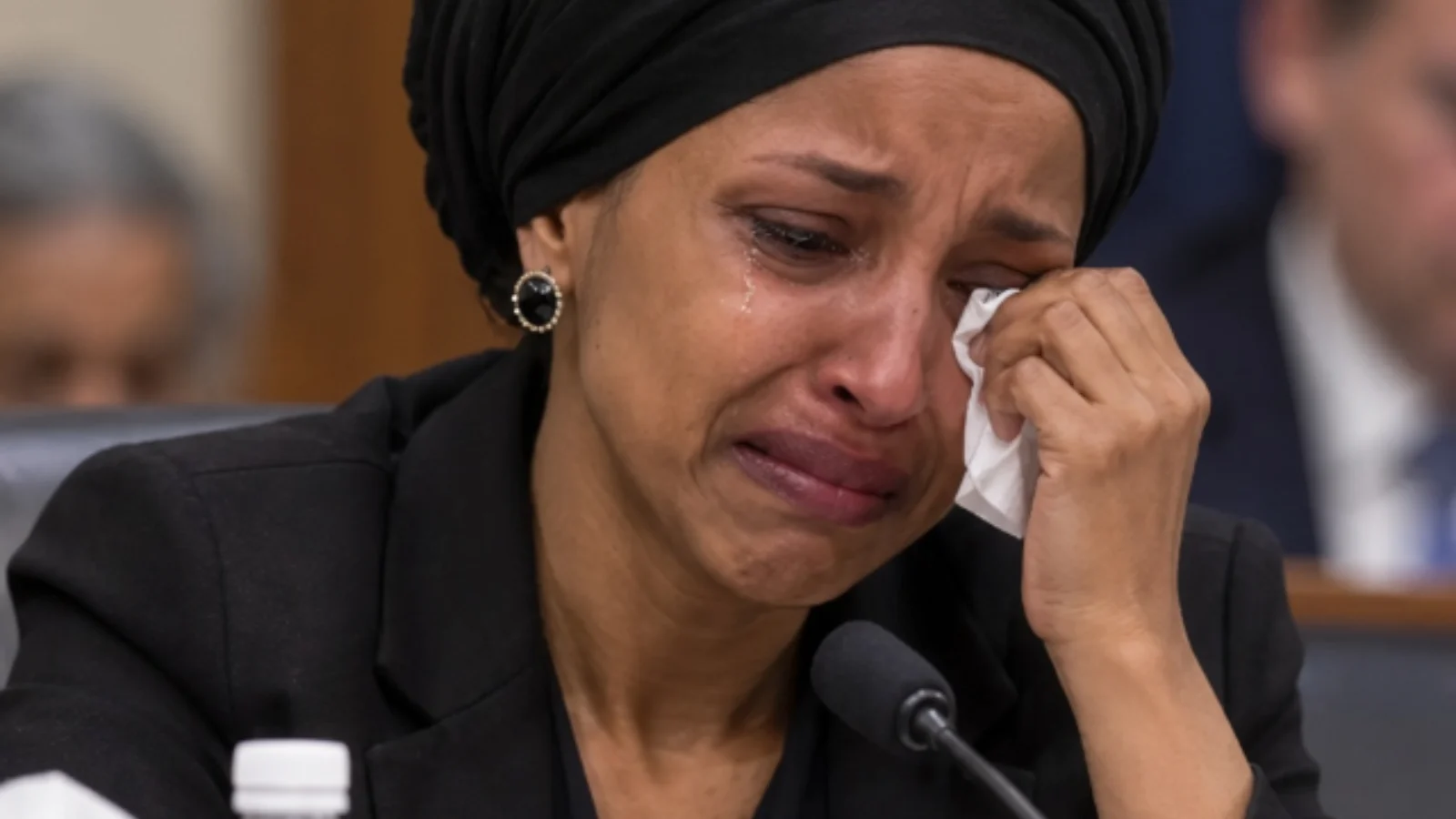
WASHINGTON, D.C. — Democratic Congresswoman Ilhan Omar is once again at the center of a heated national political debate, as allegations involving her immigration history and demands for legal accountability generate intense discussion among political figures and members of the public.
A sensational headline claiming that Omar was “officially confirmed” in a major development just 30 minutes ago has raised questions about what actually happened, whether federal authorities have taken new action, and what the controversy could mean for her political future.
Important clarification: No independently verified announcement establishes that a new legal decision concerning Omar occurred within the past 30 minutes. The headline’s timing and suggestion of an official confirmation should not be mistaken for established facts.
Nevertheless, the political arguments surrounding Omar have become part of a broader confrontation over immigration enforcement, citizenship, and the responsibilities of elected officials.
The controversy intensified on October 12, 2026, when federal agents searched Omar’s residence in Washington, D.C., as part of an ongoing investigation.
According to Reuters and CBS News, Homeland Security Investigations executed a court-authorized search warrant obtained through the Justice Department.
The investigation reportedly concerns immigration paperwork dating back to the period when Omar and her family arrived in the United States as refugees.
The search represented a significant development, but it did not establish that Omar had committed a crime.
Omar was born in Somalia and arrived in the United States with her family in 1995, after fleeing the country’s civil war. She became a U.S. citizen in 2000.
According to Reuters reporting published October 15, investigators are examining whether false information was provided during the family’s immigration or naturalization process.
Sources familiar with the investigation said the search warrant identified potential offenses involving conspiracy, false statements, and immigration fraud.
However, the allegations remain under investigation.
A search warrant may authorize investigators to obtain evidence, but it is not a finding that a suspect is guilty.
The distinction matters particularly in a case involving an elected member of Congress and allegations that could have serious implications for citizenship.
One of the most controversial questions surrounding the investigation is whether the federal government could seek to revoke Omar’s American citizenship.
Reuters reported that possible denaturalization and deportation were being considered by individuals involved in or familiar with the investigation.
Such an outcome would require a substantial legal process.
American citizenship cannot be revoked merely because a politician demands it or investigators suspect wrongdoing.
Denaturalization requires the government to establish legally sufficient grounds, and any attempt to remove Omar’s citizenship would be subject to judicial scrutiny.
Even if prosecutors eventually filed charges, the presumption of innocence would remain in effect unless guilt were established in court.
Omar and her representatives have firmly denied wrongdoing.
Her office characterized the federal search as an abuse of government authority and argued that the investigation was politically motivated.
The congresswoman has long been a prominent critic of President Donald Trump, particularly on immigration policy and the treatment of refugees.
Her supporters argue that the investigation must be examined in light of those political disagreements.
Republican officials who have raised questions about Omar’s immigration history, meanwhile, have argued that allegations concerning citizenship documentation should be investigated.
These competing positions have transformed the case into a larger national dispute about the relationship between political power and law enforcement.
Additional reporting by the Associated Press described investigators seizing Omar’s phone and issuing more than a dozen grand jury subpoenas, including subpoenas involving some of her relatives.
These developments suggested that the inquiry extended beyond the initial search of her residence.
However, the issuance of subpoenas and seizure of evidence do not establish that the individuals involved committed wrongdoing.
The investigation’s full evidentiary basis has not been made public, and some information remains subject to legal restrictions.
Omar’s attorneys have challenged aspects of the search, adding another legal dimension to the controversy.