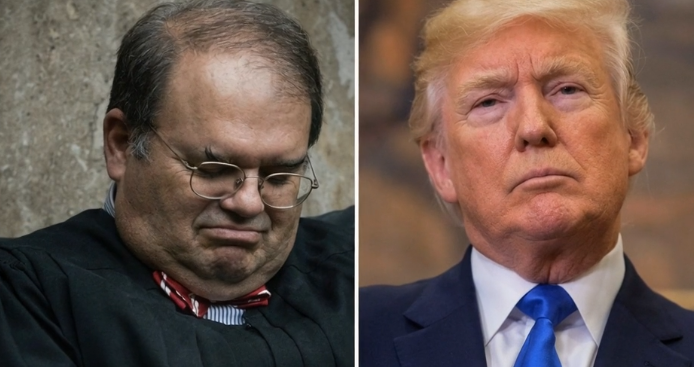
In a significant 2-1 decision, a federal appeals court has struck down major components of the Trump administration’s policy regarding transgender individuals in the military. The court characterized the directives as unconstitutional and “arbitrary,” asserting they were fueled by “animus” rather than tactical necessity. The ruling specifically criticized Secretary Pete Hegseth’s directives for targeting service members whose gender identities the administration classifies as “false.” Judges argued that these disqualifications often extend beyond clinical diagnoses of gender dysphoria, lacking any “reasonable justification” and unfairly targeting a politically vulnerable group.
Conversely, the ruling has drawn sharp criticism from those who view it as a form of judicial activism. Skeptics argue that the judiciary should not interfere with military affairs, emphasizing that the armed forces must prioritize readiness and the prevention of sexual harassment and assault. Supporters of the administration’s policy maintain that military service is a privilege, not a right, comparing gender-based restrictions to medical standards for diabetes, heart disease, or physical fitness requirements for overweight people. While the court issued a stern rebuke of the existing policy, the legal landscape remains complex and the battle is ongoing. The appeals panel has allowed the Trump administration’s ban on enlisting new transgender troops to remain in place for now. This partial stay offers a temporary reprieve for recruitment standards as the federal court system continues to navigate the constitutional intersection of identity and military service.