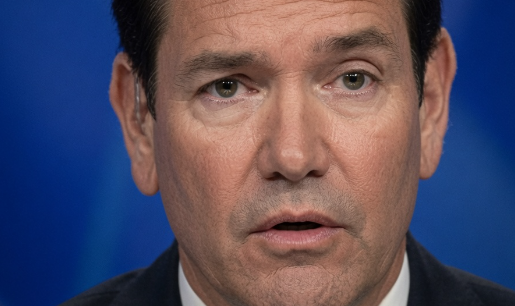
In a significant development for Middle Eastern geopolitics, Secretary of State Marco Rubio has confirmed that back-channel negotiations aimed at de-escalating the conflict involving the United States, Israel, and Iran have shown signs of “movement.” While Rubio maintains a cautious stance, refusing to “pop champagne” yet, he acknowledged that these subtle shifts in diplomatic posture represent a positive, albeit fragile, step toward stability. However, he warned that the window for a peaceful resolution remains narrow, and Washington is actively preparing a “Plan B” should Tehran fail to cooperate with international demands.
Central to the current friction is Iran‘s controversial attempt to exert control over the Strait of Hormuz, a critical maritime artery through which nearly twenty percent of the world’s oil exports pass. Iran has proposed a “tolling system” and the creation of the Persian Gulf Strait Authority, requiring commercial vessels to obtain prior authorization via an official email protocol. Rubio has labeled this move a “nonstarter,” describing it as a “completely illegal” threat to global commerce. He emphasized that any attempt to monetize or restrict transit through this strategic waterway would make a broader diplomatic deal functionally unfeasible.
Mediation efforts have seen Pakistan emerge as a pivotal intermediary. Pakistan’s Army Chief Field Marshal Syed Asim Munir is reportedly traveling to Tehran to facilitate consultations between Washington and Iranian leadership. This diplomatic push is occurring alongside a hardening of the European Union’s position. On Friday, the EU expanded its sanctions framework to target those responsible for the maritime blockade in the Strait of Hormuz, citing violations of international law and imposing travel bans and asset freezes on identified parties.
The regional situation remains volatile, particularly in Lebanon, where Israeli strikes have resulted in over 3,100 deaths since March. Despite a U.S.-brokered ceasefire in April, the Iran-backed group Hezbollah has rejected the truce, continuing hostilities and complicating diplomatic efforts. While Lebanese and Israeli officials have held talks in Washington, Hezbollah’s opposition remains a major hurdle to regional peace.
Domestically, Fox News anchor Bret Baier reports that President Donald Trump remains “cautiously optimistic” about reaching a deal with Iran. According to Baier, a one-page memorandum of understanding is currently being reviewed, with hopes that a framework could be finalized within a week. However, the emergence of the Persian Gulf Strait Authority and Iran’s insistence on new maritime regulations continue to cast a shadow over these potential breakthroughs, leaving Washington to balance the hope for a deal with the necessity of a rigorous maritime defense strategy.