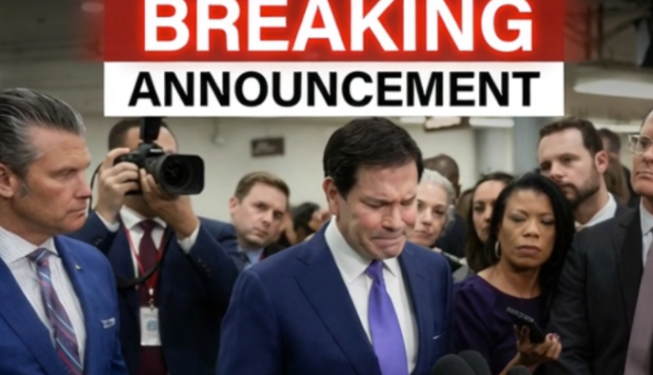
Secretary of State Marco Rubio recently indicated that back-channel diplomatic efforts focused on reducing hostilities within the U.S.-Israel-Iran corridor have shown “a little bit of movement.” While acknowledging these developments, Rubio maintained a strictly cautious posture, emphasizing that the progress is both limited and precarious. He warned that the United States is not yet ready to celebrate, stressing that the window for effective diplomacy remains narrow and could close if meaningful breakthroughs are not achieved soon.
A pivotal element of these negotiations involves the mediation of Pakistan, which continues to serve as a bridge between the adversarial nations. Reports suggest that Field Marshal Syed Asim Munir, Pakistan’s Army Chief, is preparing for a high-level mission to Tehran. This visit is intended to sustain the fragile lines of communication between Washington and Iran, reinforcing Islamabad‘s strategic position as a regional stabilizer in the Middle East.
However, the path to de-escalation faces a significant obstacle in the form of a proposed “tolling system” for the Strait of Hormuz. Iran has suggested implementing fees for the transit of vessels through this critical global energy artery. Rubio dismissed the proposal as a non-starter, asserting that such a move would undermine the core of international maritime law and global energy security. Given that the strait facilitates one-fifth of the world’s oil supply, any attempt to restrict or tax passage remains a red line for American foreign policy, leaving the future of the talks in a state of high-stakes uncertainty.