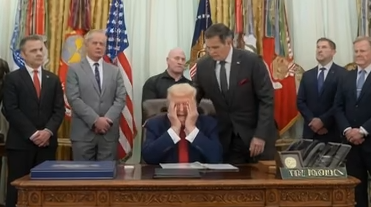
In a major shift for federal health policy, President Trump has signed an executive order intended to revolutionize access to psychedelic drugs for medical use. This initiative specifically targets the veteran suicide rate and severe mental illness, with the administration claiming these experimental treatments offer “life-changing potential.” The order is designed to dismantle long-standing bureaucratic barriers, fostering a more efficient data-sharing environment between the FDA and the Department of Veterans Affairs. By streamlining these processes, the administration aims to facilitate the rapid rescheduling of psychedelic substances once they receive formal FDA approval.
Central to this medical reform is the treatment known as ibogaine. The President highlighted a Stanford University study involving thirty special operations veterans with traumatic brain injuries, which showed a staggering 80% to 90% reduction in symptoms of depression and anxiety within a single month. To bolster these findings, the federal government has approved a new $50 million research investment. This federal funding complements a similar $50 million commitment recently made by Republican leaders in Texas. Furthermore, the administration is utilizing the Right to Try law to provide a pathway for desperately ill patients to access ibogaine before traditional regulatory hurdles are fully cleared.
Alongside these healthcare initiatives, Trump also issued a comprehensive executive order titled “Ensuring Citizenship Verification and Integrity in Federal Elections.” This directive seeks to increase federal oversight of the voting process by expanding voter eligibility verification and imposing stricter controls on the mail-in ballot system. At the heart of this order is a mandate for the Department of Homeland Security (DHS) and the Social Security Administration (SSA) to compile “State Citizenship Lists.” These lists, derived from federal databases including immigration records, will be transmitted to state election authorities to help verify that registered voters are indeed U.S. citizens.
The election-related directive also significantly impacts the U.S. Postal Service (USPS) and the Department of Justice (DOJ). The Postmaster General is now required to establish a standardized nationwide framework for mail-in and absentee ballots within 60 days. This includes the implementation of unique tracking barcodes and automated processing standards to ensure ballot security. Simultaneously, the DOJ has been instructed to prioritize the investigation and prosecution of election law violations, particularly those involving the distribution of ballots to ineligible individuals. These combined measures represent a significant expansion of federal involvement in both mental health innovation and electoral logistics.