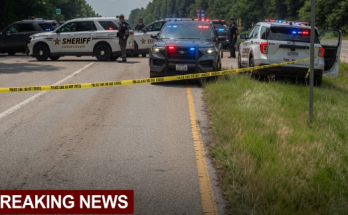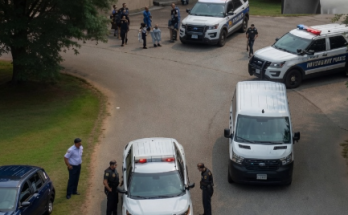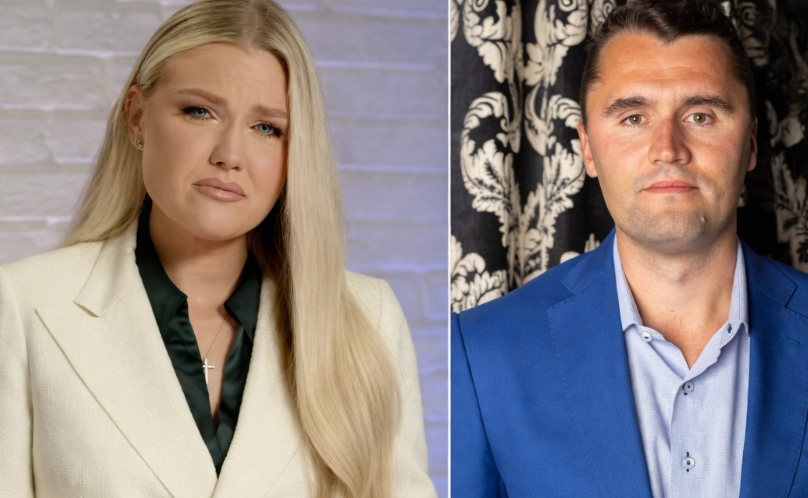
The legal proceedings surrounding Tyler Robinson, the man accused of the fatal shooting of prominent conservative influencer Charlie Kirk, have entered a critical phase focused on the boundaries of judicial transparency. The incident occurred on September 10th at Utah Valley University, where Kirk was scheduled to speak. Following the tragic event, Robinson was charged with aggravated murder alongside several other felonies. Given the high-profile nature of the victim and the circumstances of the crime, the Utah prosecution has indicated that the death penalty remains a viable sentencing option, which has amplified the legal complexities and public interest in the case.
A central point of contention currently involves a defense motion to close portions of the upcoming preliminary hearings scheduled for May 18, 19, and 22. Robinson’s defense team argues that the presentation of evidence during these hearings could jeopardize his constitutional right to a fair trial. They are particularly concerned with the prosecution’s use of Rule 1102, a provision that allows for the introduction of reliable hearsay during preliminary proceedings. Because hearsay is generally inadmissible during a full trial, the defense contends that its public disclosure could poison the potential jury pool by exposing them to inflammatory information that they would not be permitted to consider during the actual trial.
The defense has also raised concerns regarding the role of the media, which they claim has sought to sensationalize the case. This friction was exacerbated by previous incidents where courtroom videographers captured footage of Robinson in shackles and talking with his attorneys, leading Judge Tony Graf Jr. to briefly close hearings to restore decorum. While the defense has advocated for a blanket ban on cameras and public access, representatives for the Kirk family and various media outlets have fought to keep the doors open. In December, the court attempted a middle-ground approach by requiring the parties to notify the media of any closure requests, though it denied media organizations formal status in the proceedings.
In a recent ruling, Judge Graf denied a defense motion to bar cameras from an April hearing, citing the landmark U.S. Supreme Court case Chandler v. Florida (1981). The judge noted that the presence of electronic media in the courtroom does not automatically infringe upon a defendant’s rights. He emphasized that the defense had not met the burden of proof required to show that the need for closure outweighed the public’s presumptive right to access. However, the court has allowed for redacted versions of motions to be filed to address specific privacy or safety concerns that may arise during the May hearings.
The procedural battle has also turned personal between the opposing legal teams. Robinson’s attorneys recently filed a motion seeking to hold the prosecution in contempt, alleging they conducted a “willful media tour” to bias the public. The state’s attorneys have countered this by claiming their public engagement was a necessary response to “misleading” statements made by the defense. As the case moves toward the May hearings, the Utah court remains the site of a significant tug-of-war between the principles of an open judiciary and the strict protections of due process for the accused.