Geopolitical Friction: Hillary Clinton Challenges Trump Administration’s Stance on Iran and Presidential Accountability
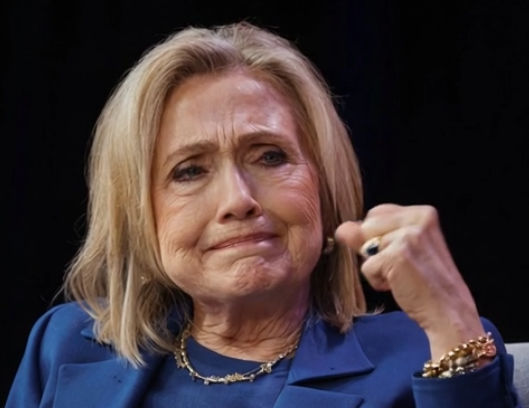
In a recent and provocative media appearance, former Secretary of State Hillary Clinton has issued a stern warning regarding the United States‘ current standing in the Middle East. Clinton argued that the nation has transitioned into a significantly weakened position following the recent collapse of high-stakes negotiations with Iran. These diplomatic failures were highlighted by the return of Vice President JD Vance from a mission to Pakistan without a viable agreement regarding Tehran’s nuclear ambitions. According to Clinton, the failure of these talks represents a loss of strategic leverage and initiative that could have long-lasting implications for global security.
Central to Clinton’s critique is the concept of leadership accountability. She asserted that the words of an American president carry immense weight and can dictate the trajectory of international relations. Clinton described the rhetoric coming from President Donald J. Trump as “disgraceful,” suggesting that his public conduct actively undermines U.S. credibility. She framed accountability as a broad standard that extends beyond the courtroom, involving a leader’s duty to maintain the integrity of democratic institutions. In her view, the public trust is currently at risk due to a perceived lack of discipline in the current administration’s communication and behavior.
The situation has been further complicated by a sharp increase in military tension. Following the breakdown of diplomacy, the Trump administration ordered a naval blockade of Iranian ports within the Strait of Hormuz, a critical corridor for the global oil trade. While U.S. Central Command remains on high alert to intercept unauthorized vessels, Clinton’s stance on these actions is multifaceted. She revealed that she actually supported a limited targeted strike on Iranian nuclear sites back in June, viewing it as a clear strategic objective. However, she categorized the administration’s subsequent moves as “incoherent,” arguing that they lack the necessary long-term vision to achieve lasting peace or stability.
Drawing on her extensive experience, Clinton advocated for a return to professional, expert-led diplomacy. She emphasized the urgent need for negotiators who possess deep, technical knowledge of nuclear weapons and international policy. Reflecting on her past interactions with Israeli Prime Minister Benjamin Netanyahu, Clinton noted that she often had to resist calls for military actions that lacked a defined “end state.” She cautioned that the current administration’s preference for aggressive pressure without a structured diplomatic exit ramp is a recipe for open-ended conflict that the United States is ill-prepared to manage.
The White House has not taken these criticisms lightly, responding with a vitriolic defense of its “deterrence-restoration” strategy. Officials dismissed Clinton’s perspective by attacking her foreign policy legacy, particularly her role in the Obama-era nuclear deal. The administration’s rebuttal also veered into personal territory, citing the controversy surrounding Clinton’s deleted emails and her involvement in the Russia Hoax as evidence of hypocrisy regarding her calls for accountability. As the Trump administration continues its campaign of “maximum pressure” through military blockades and economic isolation, the divide between Clinton’s call for structured internationalism and the current administration’s nationalist approach remains a defining conflict in American politics.