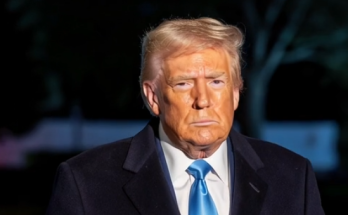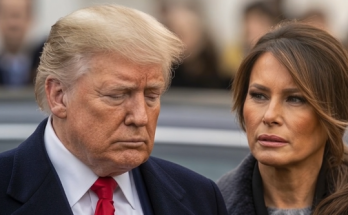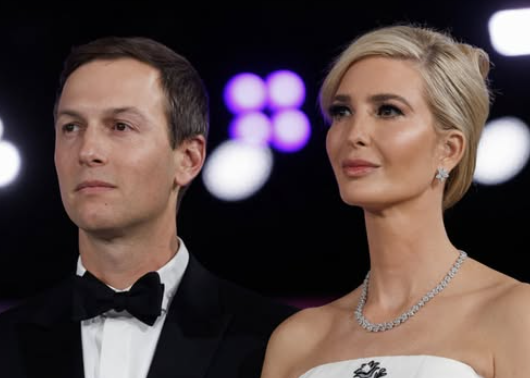
During the electric and high-stakes atmosphere of the 2024 Election Night at Mar-a-Lago, the political world was transfixed by the historic return of Donald Trump. However, a parallel digital narrative erupted following a social media post by Kai Trump titled “The Whole Squad.” The viral photograph featured the president-elect’s extended family and even tech mogul Elon Musk, but it was the glaring absence of Melania Trump that ignited intense public speculation. While critics were quick to question her loyalty or her standing within the family hierarchy, the reality was more nuanced. Melania had been present for the crucial moments, including the polls and the official victory speech, yet her decision to bypass the informal family photo highlights her unique, highly private approach to public life.
Throughout her husband’s tumultuous political journey, Melania Trump has consistently challenged the established archetypes associated with the First Lady role. She has famously refused to become a permanent fixture on the campaign trail, opting instead for a life defined by personal autonomy and strict boundaries. Her primary focus has remained the well-being of her son, Barron Trump, alongside her independent endeavors such as the “Be Best” initiative, which advocates for youth education and technology safety. By maintaining a strategic geographic distance between Palm Beach, Washington, and New York, she has successfully insulated herself from the unrelenting glare of the political machine. This restraint is not a sign of disengagement but has become her signature form of power, allowing her to control her own narrative away from the public eye.
In an era dominated by performative digital presence and constant accessibility, Melania’s strategic silence serves as a potent statement of self-definition. She is essentially authoring her own story, testing the limits of how much mystery the American public will tolerate from a presidential spouse. Whether she decides to fully re-embrace the White House spotlight or continue her preferred seclusion in Florida, her choices signal a tectonic shift in the modern understanding of the FLOTUS role. Ultimately, her legacy may be defined by the idea that political influence is not always found in constant presence, but often in the power of a well-timed and calculated absence, forcing a re-evaluation of the expectations placed on women in the global political arena.