Israel has officially declared a state of heightened security alert in response to a significant surge in regional tensions and renewed threats. To prioritize the safety of the civilian population and uphold national security, military officials have confirmed the implementation of expanded defensive precautions and maximized readiness levels. These developments are viewed as part of a historical context involving the Middle East’s intricate geopolitical landscape, where the proximity to unstable regions makes the security environment exceptionally fluid. Analysts note that the involvement of both state and non-state actors adds layers of complexity to identifying responsibility and managing these emerging conflicts.
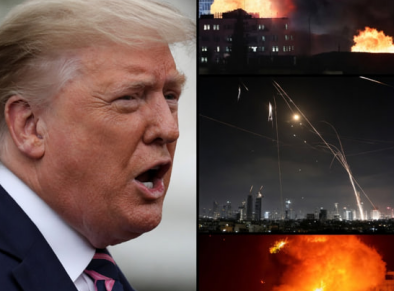
In a direct response to the current threat level, authorities have activated several critical protective systems. This comprehensive defensive strategy includes enhanced surveillance operations, tightened intelligence coordination across various security agencies, and the strategic activation of air defense systems. Additionally, emergency response services have been placed on high alert, and civil defense advisories have been issued across major urban centers. These measures aim to ensure that residents remain informed via official communication channels, providing a structured approach to public safety during periods of potential crisis.
The Israeli government is currently navigating a delicate balance between robust security preparedness and active diplomatic engagement. While internal defense remains a top priority, officials emphasize the necessity of maintaining open communication lines with international partners to mitigate the risk of accidental escalation. The United Nations and other international organizations continue to play a pivotal role in advocating for dialogue and supporting humanitarian efforts. Global leaders have echoed these sentiments, calling for strategic restraint and the protection of non-combatants as rivalries across the region intensify.
Ultimately, the human consequences of these heightened tensions remain the primary concern for both policymakers and analysts. Communities in areas directly affected by the security alert face significant disruption, highlighting the essential need for reliable information and humanitarian support. As the situation unfolds, the international community remains focused on whether diplomatic developments and strategic cooperation can successfully navigate the current challenges and establish a sustainable path toward regional stability.