In a significant move for U.S. diplomatic accountability, the State Department has terminated Daniel Choi, a foreign service officer, following revelations of an undisclosed romantic relationship with a Chinese national. The dismissal was ordered by Secretary of State Marco Rubio and approved by President Donald Trump. The decision came after an undercover investigation by O’Keefe Media Group (OMG) surfaced footage in which Choi admitted to concealing his relationship with the daughter of a Chinese Communist Party (CCP) affiliate, despite being aware of the potential security risks involved.
During the recorded investigation, Choi explicitly acknowledged that his partner’s father was “straight-up Communist Party” and admitted that the woman herself “could have been a spy.” He characterized his actions as a choice between personal affection and professional duty, stating, “I defied my government for love.” Under State Department security protocols, all officers are strictly required to report any “close and continuing contact” with foreign nationals, particularly those with ties to hostile or rival governments, to mitigate the risks of coercion or espionage.
This termination marks the first use of Executive Order 14211, a new directive signed by President Trump to strengthen the executive branch’s authority over the diplomatic corps. The order mandates that all employees implementing foreign policy must do so under the direct authority of the President, and any failure to faithfully execute this policy is grounds for immediate separation. The State Department emphasized that Choi’s refusal to report his connection constituted a clear failure to uphold his oath and U.S. security standards.
Counterintelligence experts have noted that Choi’s case reflects a broader trend of Chinese intelligence-gathering tactics. Experts warn that Beijing frequently utilizes romantic entanglements and social ties as “vectors” for espionage to target American officials. By failing to disclose a partner whose father held a high-ranking ministerial position within the CCP, Choi created what officials described as a “massive vulnerability” for the department. The incident has intensified concerns over how personal relationships can be exploited by foreign entities to gain access to sensitive information.
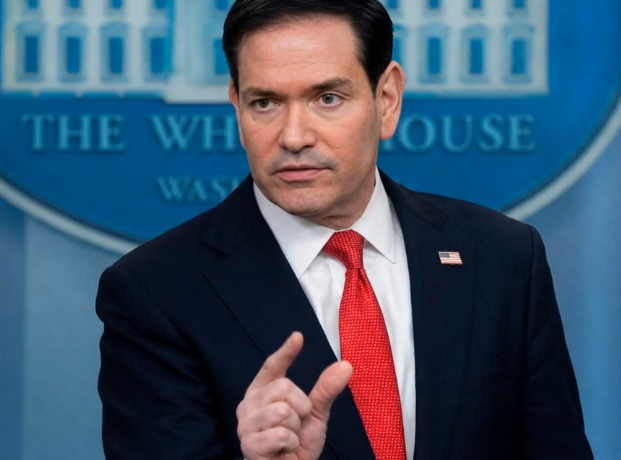
Since becoming Secretary of State, Marco Rubio has maintained a hardline stance against Chinese influence within U.S. institutions. This swift disciplinary action signals a new era of strict vetting and background checks for personnel stationed in East Asia or working in sensitive policy roles. The State Department reaffirmed that no officer is above security protocols, and the enforcement of Executive Order 14211 serves as a warning that undisclosed foreign contacts will result in severe professional consequences.