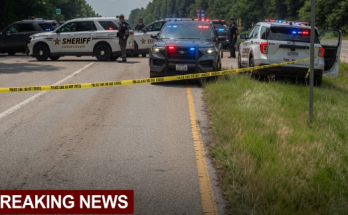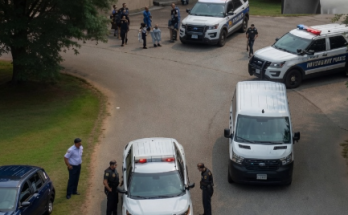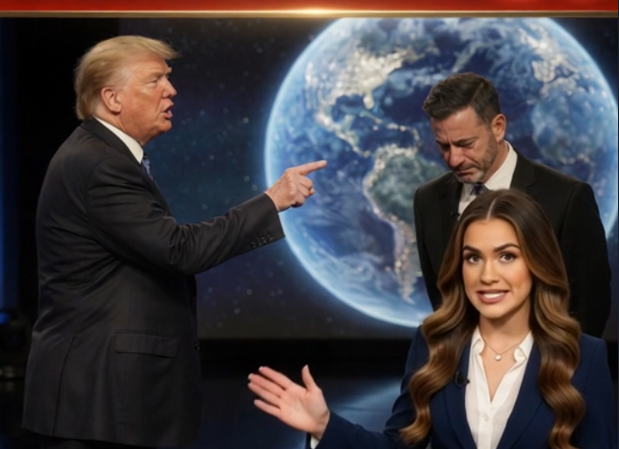
The intersection of late-night comedy and political violence reached a boiling point following Jimmy Kimmel’s controversial “expectant widow” joke. Delivered just two days before an assassination attempt on Donald Trump, the remark transformed from standard satire into a national flashpoint. While Trump expressed profound rage and Melania Trump broke her characteristic silence to condemn the rhetoric, the incident ignited a fierce debate over the consequences of dehumanizing language in a highly polarized America.
In a defiant on-air response, Kimmel attempted to navigate the fallout by distinguishing between political commentary and genuine malice. He admitted the timing was unfortunate but maintained the joke targeted Trump’s grip on power and age rather than inciting physical harm. Kimmel further redirected the narrative toward gun culture, asserting that his long history of advocacy against firearms proves he does not endorse violence. He countered his critics by arguing that Trump himself has spent years normalizing cruelty and violent fantasies, creating a political climate where words are increasingly perceived as weapons.
Ultimately, this collision of satire and real-world danger leaves the public grappling with the shifting boundaries of free speech. As the divide between Hollywood and the MAGA movement deepens, the core question remains: who bears the responsibility for lowering the temperature of national discourse? The unease surrounding this scandal highlights a growing fear that in the current era, the line between a punchline and a threat has effectively vanished.